 Careers
 Contact
Hierarchical Surface Restructuring
HSR™
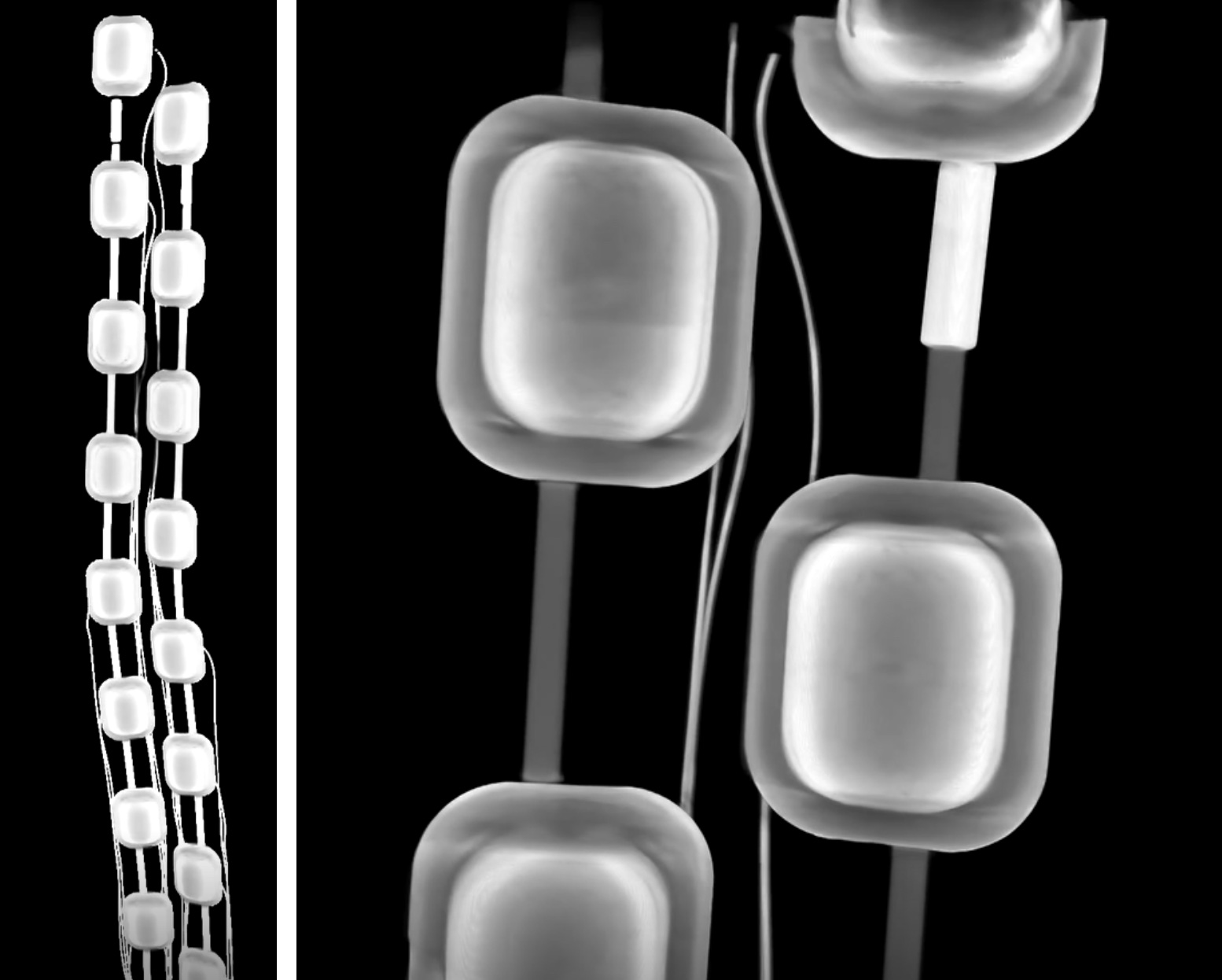
X-ray computed tomography (X-ray CT) image of a 16-channel spinal cord stimulation (SCS) microelectrode array.
Redefine Implantable Electrode Performance
As implantable neural and cardiac interfacing devices shrink and grow more complex, performance often suffers. Impedance rises, stimulation efficiency diminishes, signal fidelity degrades, and coatings—while sometimes helpful—can introduce new challenges.
Meet Hierarchical Surface Restructuring (HSR™) technology, Pulse Technologies’ foundational surface engineering platform.
It restructures the native electrode surface across nano, micro, and macro scales to enhance electrochemical performance and long-term stability, without altering the chemical integrity of materials like Pt–10%Ir.
Smaller Electrodes.
Higher-Fidelity Signals.
No Coatings Required.
HSR™ uses ultrashort pulse lasers to restructure the surface of implantable electrodes, increasing electrochemically active surface area and boosting performance—no coatings required.
You can expect:
- Deliberately engineered surface architecture that increases charge storage capacity and specific capacitance, and enhances charge exchange efficiency across all active dimensions
- Tunable electrochemical properties with the ability to adjust surface hierarchy and topography via laser parameters
- Scalable, in-line manufacturing compatibility using commercially viable, cost-effective technology
- Designed to support miniaturized, high-density electrode arrays through integration of a large number of electrodes that promote enhanced performance, selectivity, fidelity, and lower power consumption
- Consistent and enhanced electrochemical performance, which directly impacts stimulation efficiency, sensing fidelity, and long-term reliability
- Enhanced durability with no adhesion or delamination concerns from secondary coatings
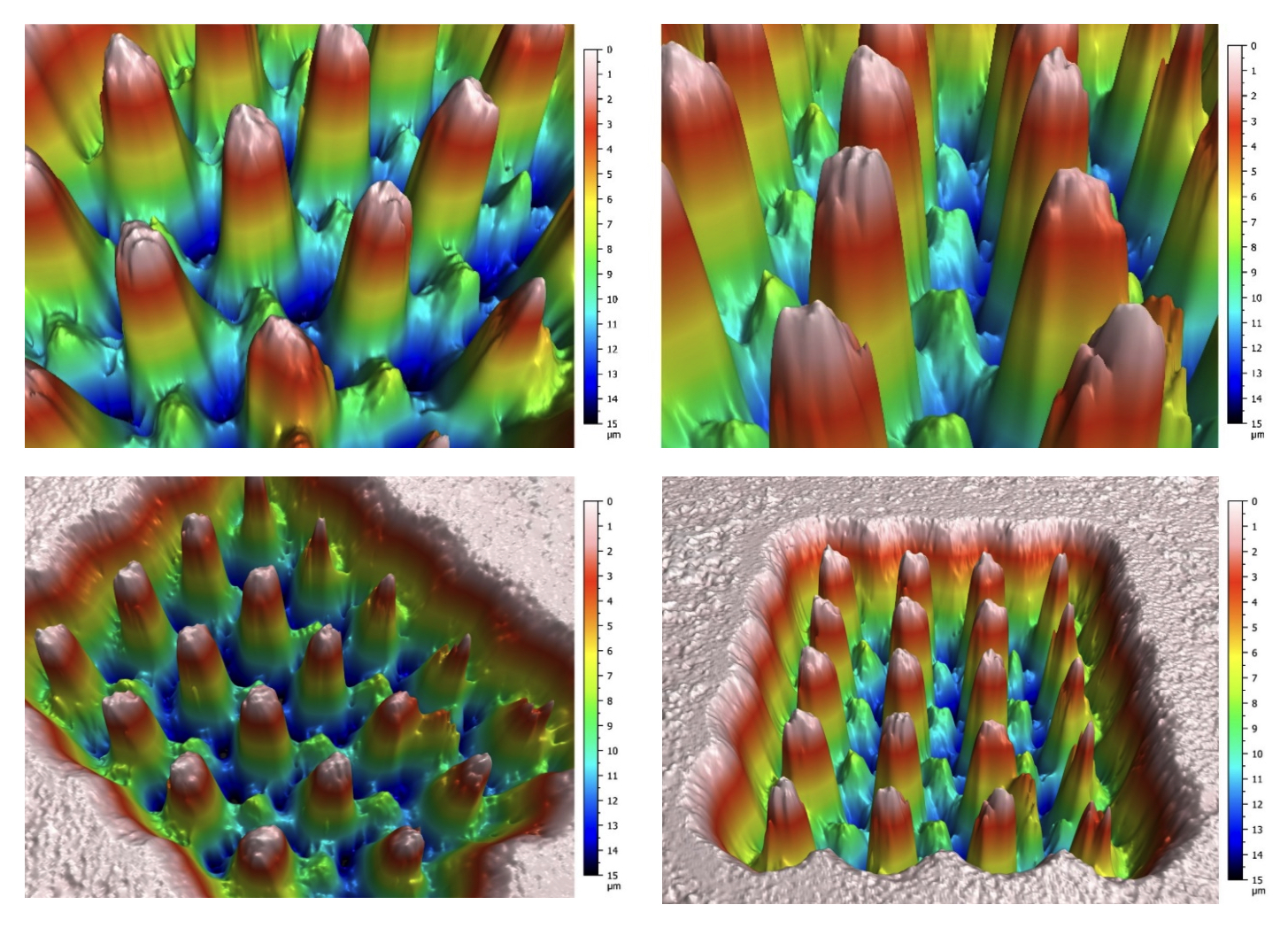
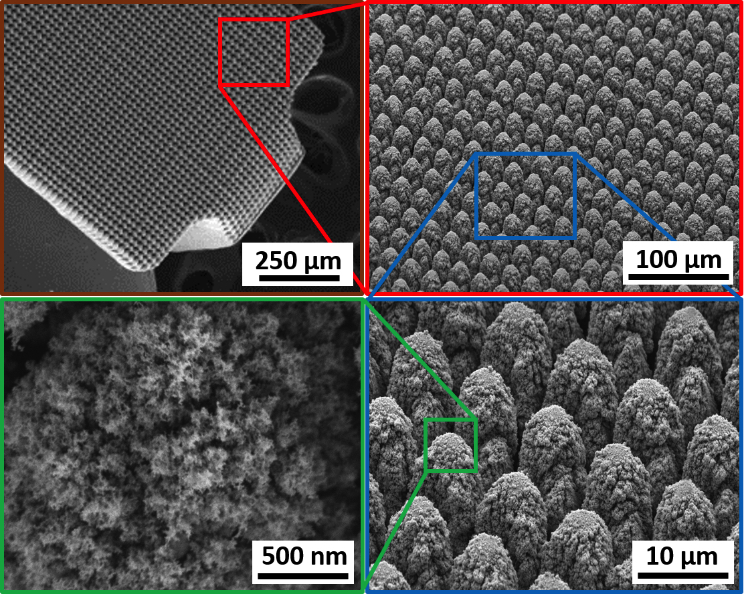
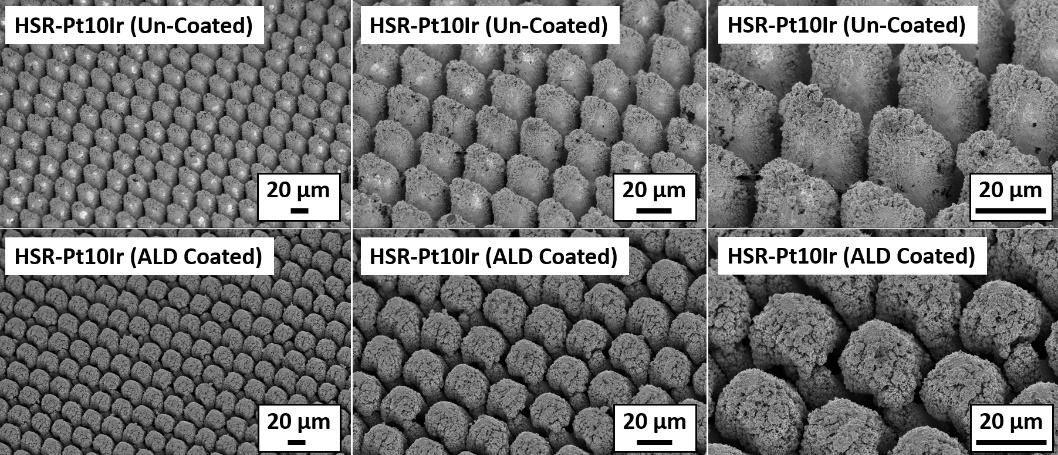
If you just shrink the electrode, performance drops. HSR™ technology changes the surface so performance can improve as the electrode’s geometric size decreases.
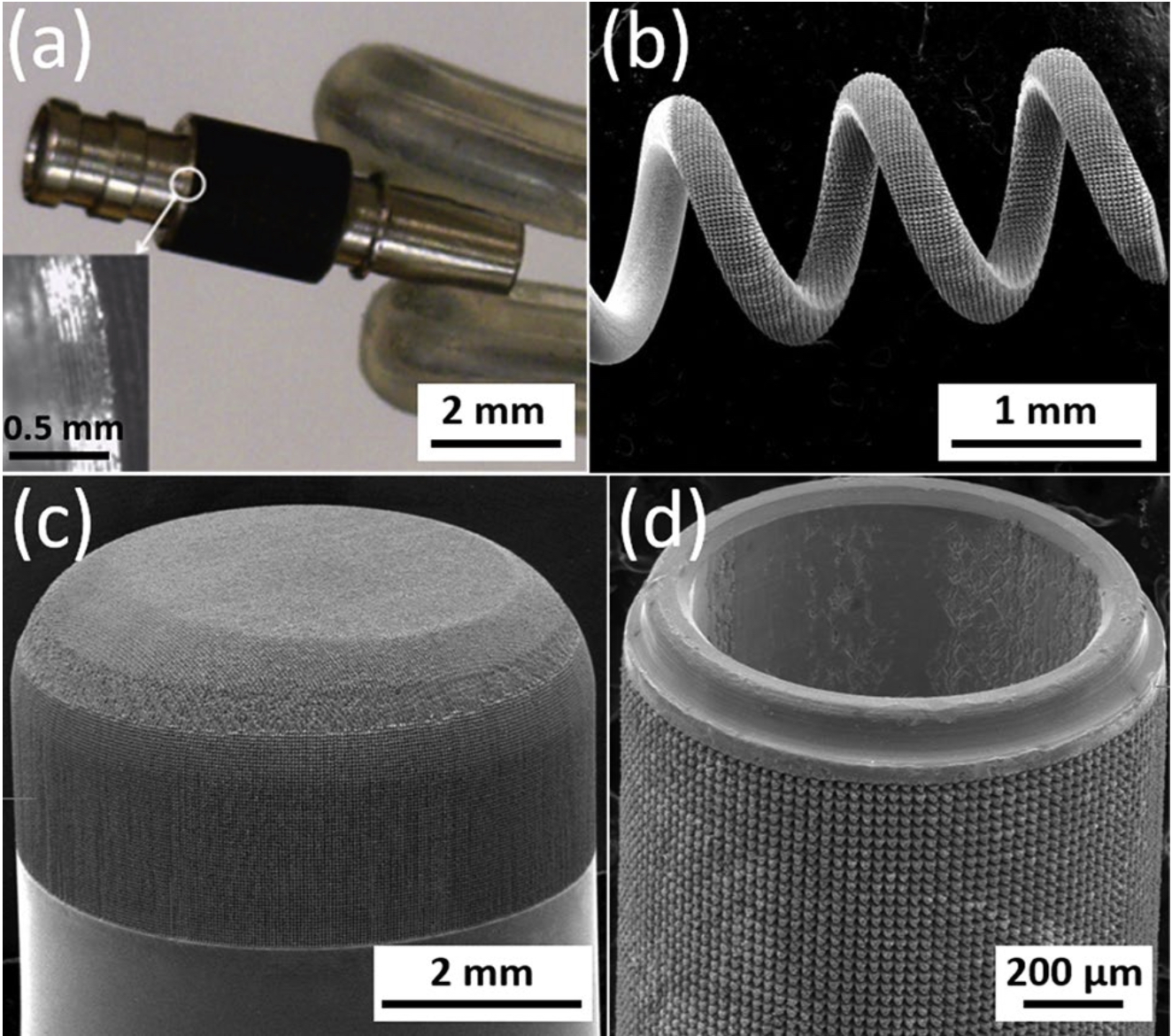
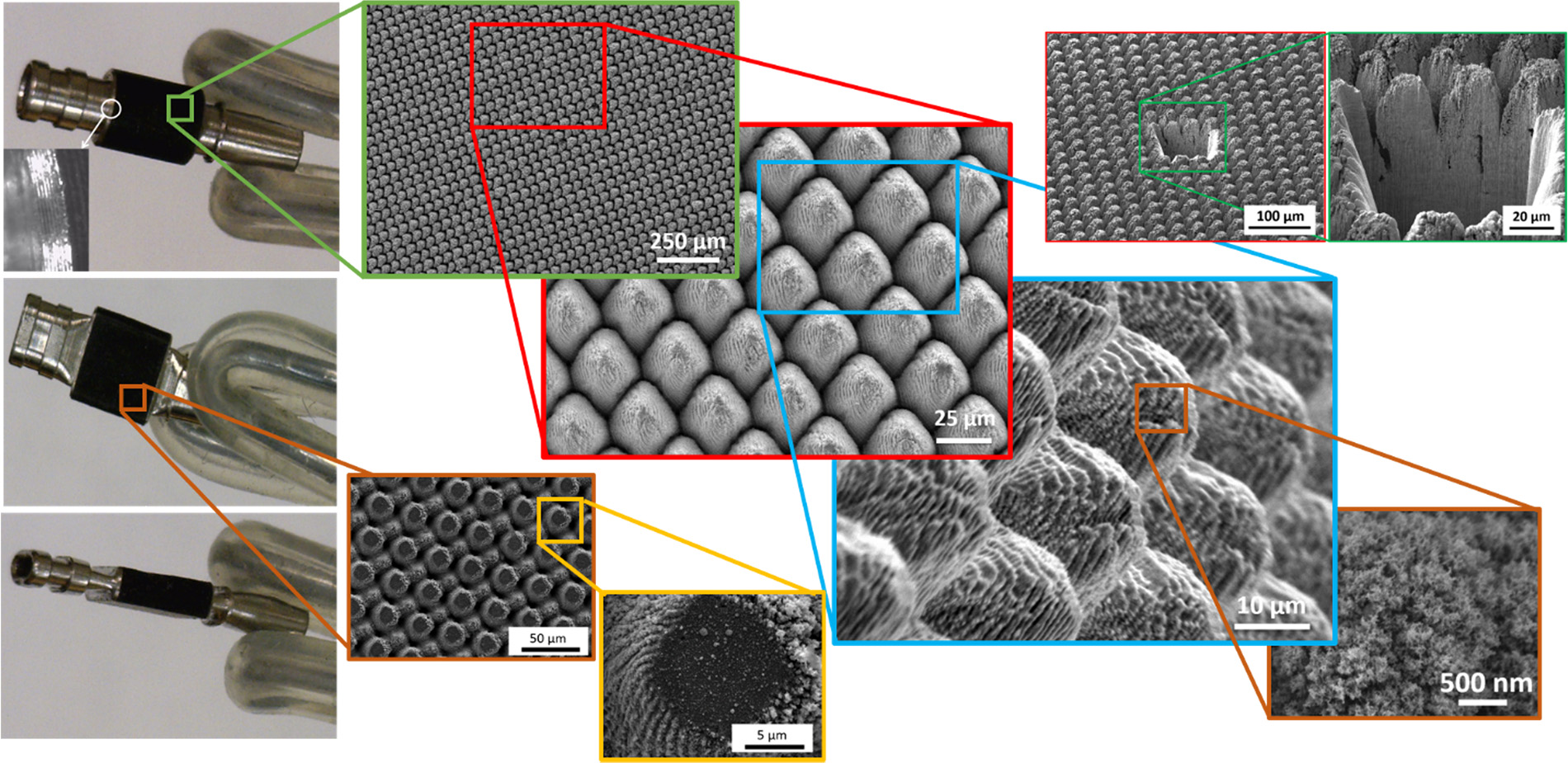
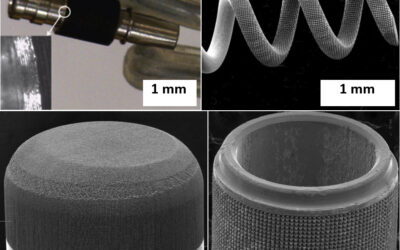
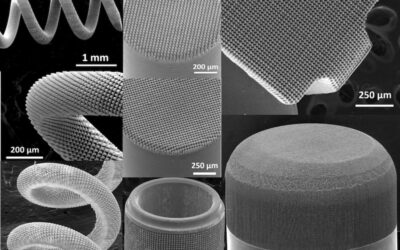
This holds true even on complex 3D geometries—like cylinders, domes, helices, and other non-planar shapes—where uniform surface restructuring ensures consistently enhanced electrochemical performance.
By enabling line-of-sight treatment across these challenging contours, HSR™ supports improved stimulation efficiency and sensing fidelity at the electrode-tissue interface while simplifying manufacturing.
Unlock Next-Generation Performance with Laser Precision
HSR™ enables over two-orders-of-magnitude improvement in charge storage capacity and over 700-fold increase in specific capacitance compared to untreated electrodes.
These gains support both recording and stimulation functions in implantable neural interfacing applications while simplifying manufacturing by eliminating costly vacuum and batch processes.
Discover the HSR™ Difference
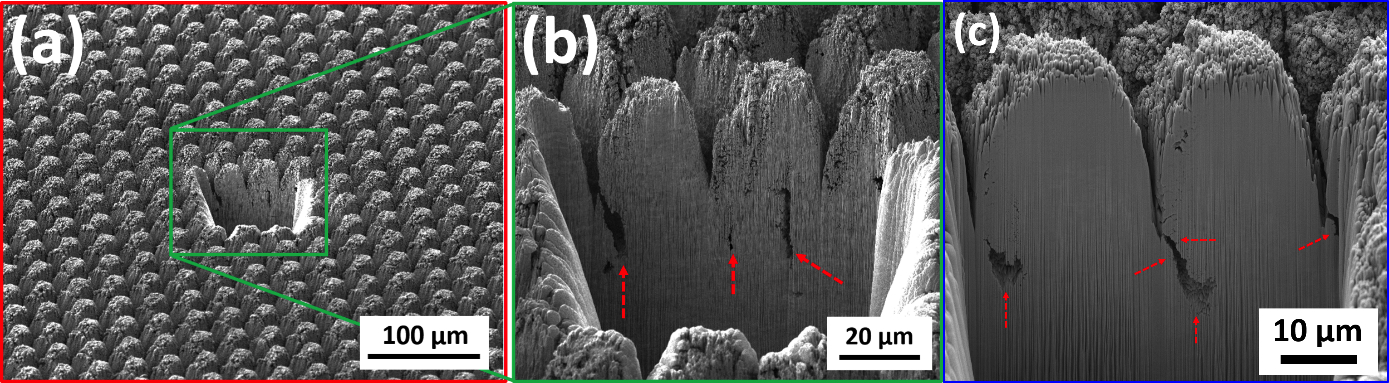
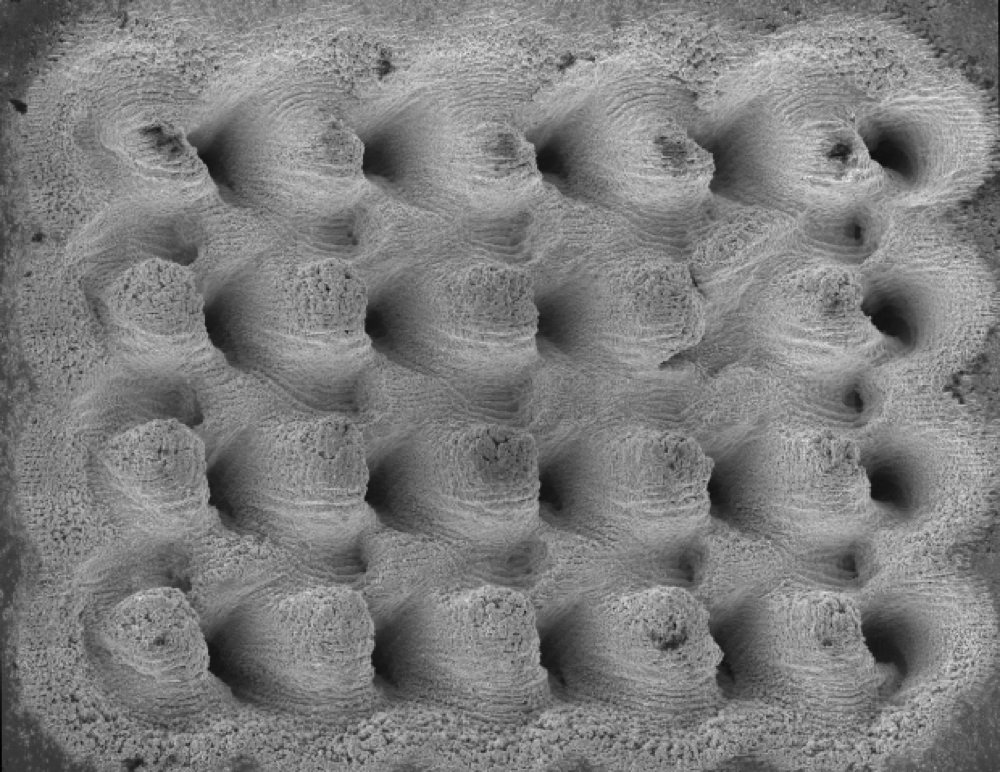
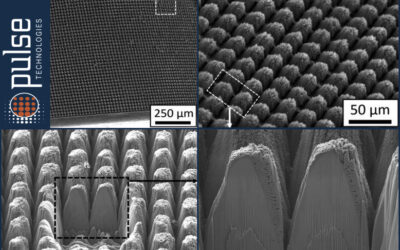
Focused ion beam cross-sectional analysis reveals subsurface features created during the laser restructuring process.
These features, along with increased surface roughness, are believed to drive the enhanced electrochemical performance observed in HSR™-treated electrodes.
Unlike traditional coating-based enhancements that introduce new interfaces prone to mechanical failure or chemical degradation, HSR™ restructures the electrode itself. This not only eliminates coating-related failure modes, it also alters the degradation mechanisms—demonstrating improved durability relative to coating-based approaches under extended electrical stimulation.
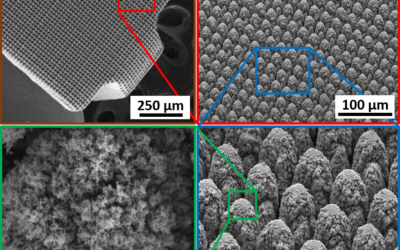
Hierarchical architecture. Designed with purpose:
- Nanoscale features expand electrochemically active surface area, boosting charge storage capacity and interfacial capacitance
- Microscale features facilitate ion transport and efficient charge transfer
- Macroscale topography preserves geometric integrity and ensures uniform treatment across complex electrode shapes
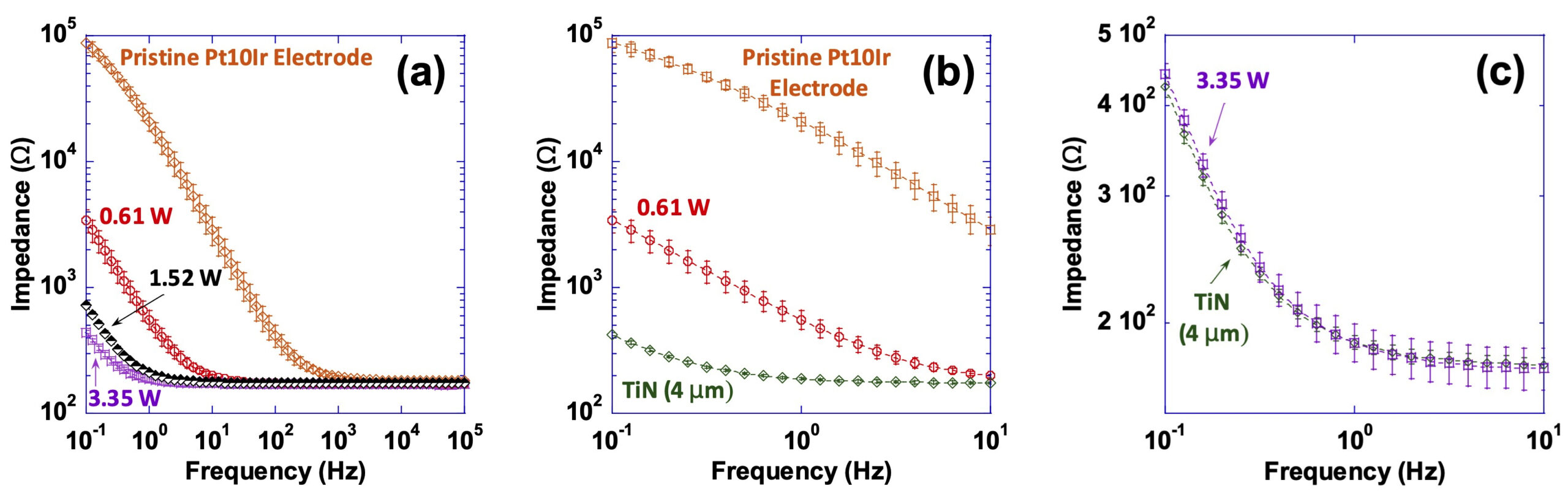
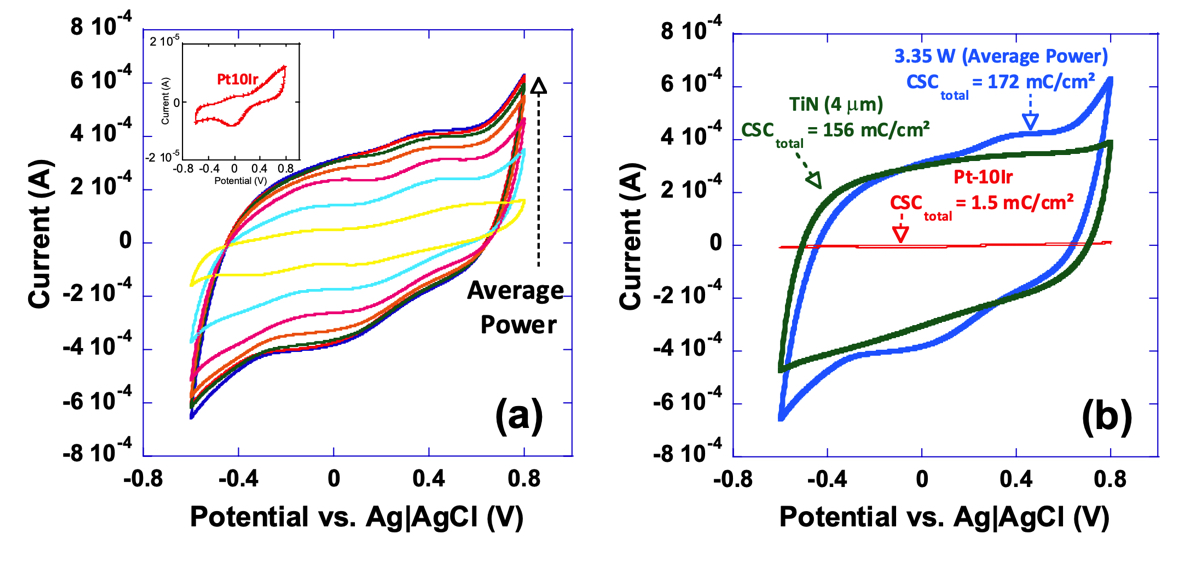
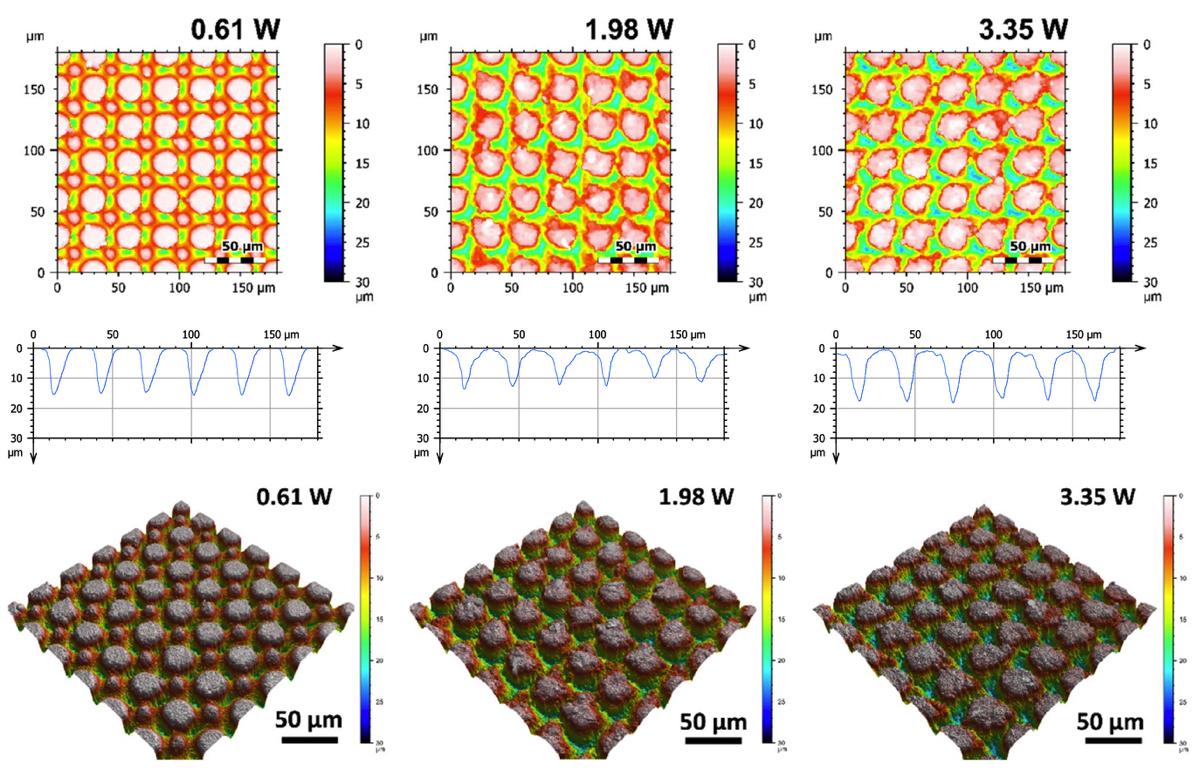
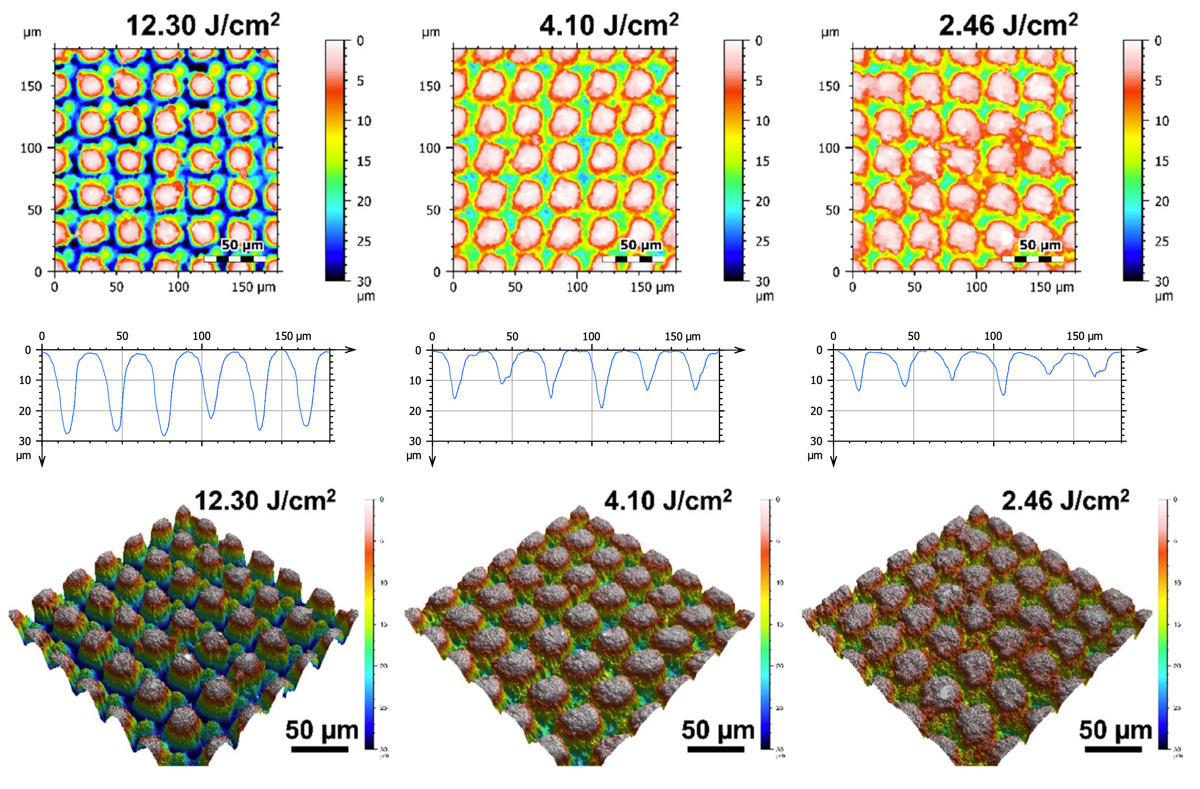
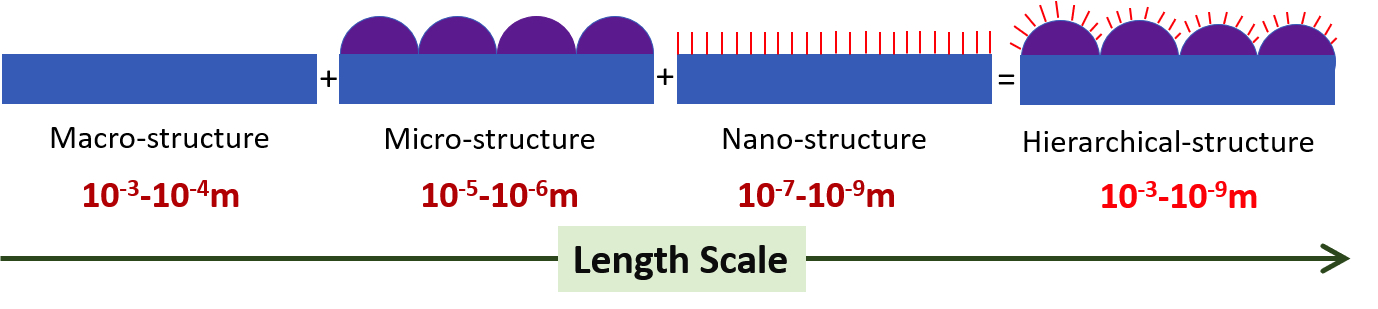
Together, these interlocking length-scales deliver performance gains that cannot be achieved through conventional surface roughening or coating techniques—making HSR™ a true paradigm shift in implantable electrode design.
Drive Real-World Impact
HSR™ supports the development of long-term implantable devices across cardiac and neuromodulation applications, as well as retinal prosthesis and cochlear implants. Its tunable electrochemical properties help engineers design smarter, more responsive neural interfaces without the risks of traditional coatings.
As the core of Pulse’s surface engineering platform, HSR™ also supports future innovations such as Reactive-HSR™, Ultrathin-HSR™, and Antibacterial-HSR™ platforms, offering a stable, extensible foundation for next-generation devices ready for commercial scale and clinical impact.

Successful Biocompatibility Testing with HSR™
HSRTM has successfully cleared all biocompatibility testing with both platinum and titanium electrodes. Biocompatibility was evaluated by performing comprehensive cytotoxicity, sensitization, and irritation testing. Testing was performed at an independent lab in the United States that is accredited under the recognized international standard ISO/IEC 17025:2017
Experience our HSR™️ Surfaces Interactively

Femtosecond Laser Hierarchical Surface Restructuring
for next generation neural interfacing electrodes and microelectrode arrays
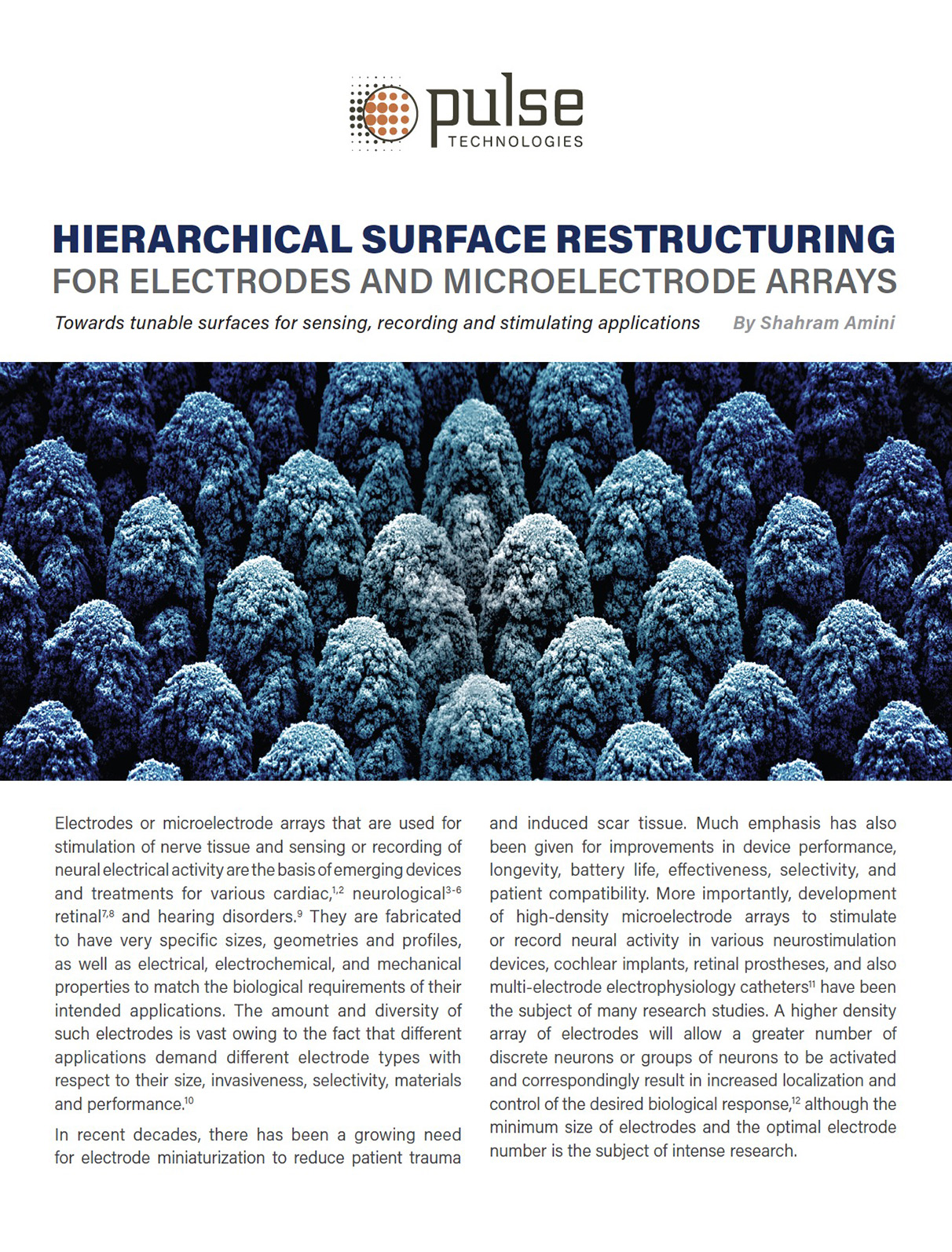
HIERARCHICAL SURFACE RESTRUCTURING
for Electrodes and Microelectrode Arrays
Ready to build the next generation of implantable performance?
Recent News & Blogs on HSR™

Femtosecond laser hierarchical surface restructuring for next generation neural interfacing electrodes and microelectrode arrays
Shahram Amini, Wesley Seche, Nicholas May, Hongbin Choi, Pouya Tavousi & Sina Shahbazmohamadi Long-term implantable neural interfacing devices are able to diagnose, monitor, and treat many cardiac, neurological, retinal and hearing disorders through nerve...
Pulse Technologies Announces Successful Biocompatibility Results For Novel HSR™ Platinum-Iridium Electrode Surface Treatment Technology
Biocompatibility studies were conducted by an independent, certified lab based in the US in accordance with FDA and ISO standards.
Surface Treatment Technology Using Ultrashort Pulse Lasers Could Help Treat Heart Failure
Hierarchical Surface Restructuring technology can be used to enhance charge storage capacity, increase specific capacitance, & decrease impedance of electrodes & microelectrodes.
Pulse Technologies’ Electrode Surface Treatment Chosen for Cardiac Device
Pulse Technologies’ HSR™ electrode surface treatment is now part of Cardionomic’s Cardiac Pulmonary Nerve Stimulation (CPNS) System for treating heart failure.
Hierarchically Restructured Titanium Electrodes: A Novel, Low-Cost, High-Performing Platform for Leadless Pacemakers
Pulse’s hierarchical titanium surface restructuring is well-suited for enhancing titanium electrodes of leadless pacemakers.
How Pulse’s Newly Patented Hierarchical Surface Restructuring (HSR™) Technology Improves Electrode Performance in Implantable and Diagnostic Medical Devices
This blog post outlines how Pulse’s patented HSR™ technology can enhance the electrochemical performance of electrodes and microelectrode arrays via enhancements in their surface topology and surface characteristics.

Video Explains the Benefits of Hierarchical Surface Restructuring
This video, Hierarchical Surface Restructuring for Electrodes And Microelectrode Arrays, will introduce you to a unique technology that uses lasers to rearrange the molecular surface of electrode materials and promises to enhance the performance of next-generation sensing, recording and stimulating devices.

Pulse Technologies, Inc.
2000 AM Drive, Quakertown, PA 18951
 P: 267-733-0200
F: 267-733-0201


Contract Manufacturing
Advanced Technology
Capabilities
About Us



© 2026 Pulse Technologies, Inc. All rights reserved.