 Careers
 Contact
Iridium Oxide Coatings
Iridium Oxide (IrO₂) Coatings
High Charge Storage Capacity.
High Capacitance.
Low Impedance.
Proven Durability.
As implantable electrodes are required to deliver higher charge injection while maintaining long-term reliability, traditional surface solutions can struggle to achieve both high performance and durability.
Pulse Technologies’ iridium oxide (IrO₂) coatings provide a proven solution for achieving high charge storage capacity, high charge injection capacity, and high specific capacitance—without compromising stability or manufacturability in long-term implantable cardiac pacing and neurostimulation devices.
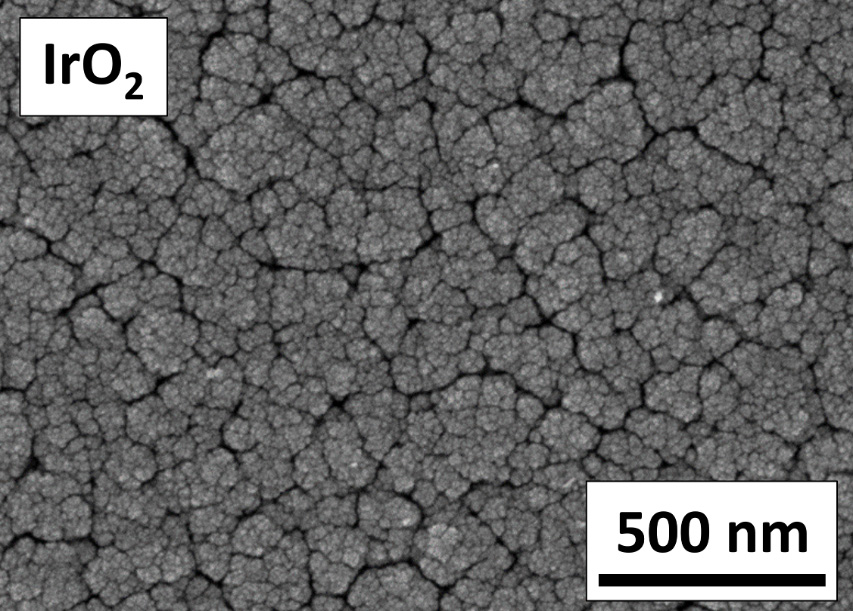
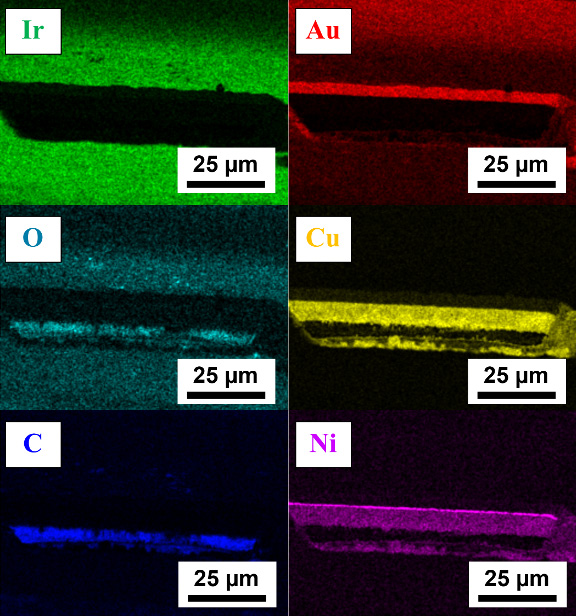
High-Performance, Tunable Coatings. Compatible with Complex Geometries.
Pulse’s IrO₂ coatings are engineered to support demanding implantable electrode applications.
With Pulse’s coating technology, customers benefit from:
Tunable electrochemical performance.
Precise control over film thickness.
Compatibility with a wide range of electrodes, electrode arrays, substrate materials, and complex device geometries.
These gains support miniaturization and higher electrode density designs by improving electrochemical performance at ultrathin thicknesses, opening the door to next-generation implantable neural interfacing arrays.
Reactive Magnetron Sputtering of IrO₂
Our IrO₂ coatings are synthesized and deposited using reactive magnetron sputtering from high-purity iridium targets in a controlled argon/oxygen plasma environment, utilizing Pulse’s proprietary process parameters.
Superior Electrochemical Performance
Our IrO₂ coatings deliver strong performance advantages for both stimulation and recording applications:
High charge storage capacity (CSC) and high specific capacitance for cardiac pacing and neurostimulation.
Low impedance and high signal-to-noise ratio for sensing and recording applications.
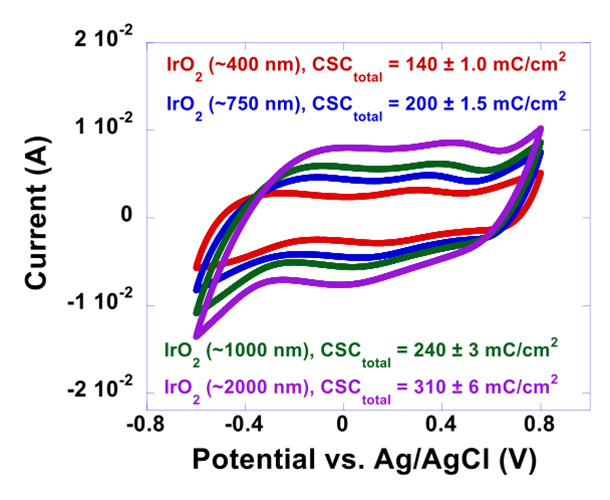
The charge storage capacity of Pulse’s IrO₂ coatings increases proportionally with coating thickness, enabling tunable electrochemical performance.
Designed for Integration and Manufacturability
Pulse’s coating processes support a wide range of electrodes and components with complex geometries. Our team provides in-house fixturing and masking design and fabrication to ensure uniform coating coverage across complex 3D structures.
Our process also integrates seamlessly with micromachined electrodes and ultra-high-density flexible electrode array configurations.
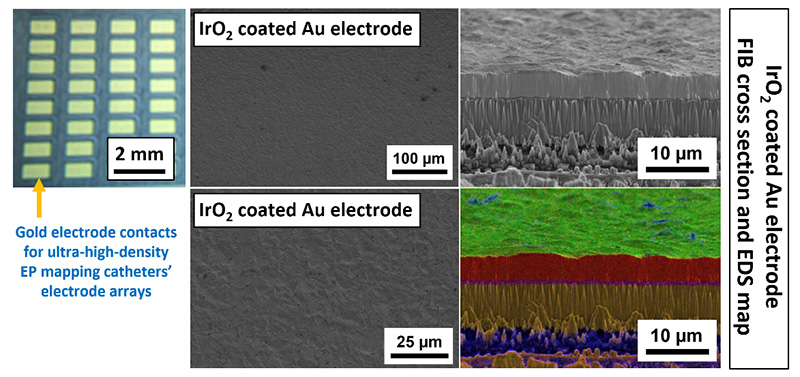
Performance at a Glance
Charge storage capacity as a function of IrO₂ film thickness:
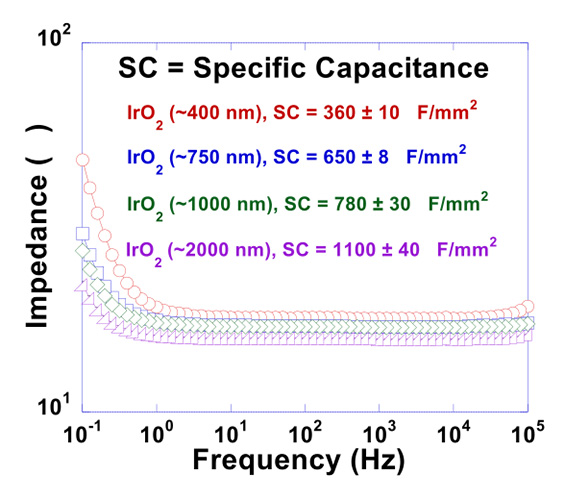
Electrochemical measurements confirm that charge storage capacity and specific capacitance increase proportionally with coating thickness, enabling precise performance tuning through controlled deposition parameters.
Specific capacitance as a function of IrO₂ film thickness:
Specific capacitance also scales with thickness, supporting design flexibility across use cases.
Drive Real-World Impact
Ready to engineer next-generation cardiac pacing, neurostimulation, and sensing performance? Let’s discuss how Pulse’s IrO₂ coatings can meet your performance requirements while delivering uniform coating coverage across complex 3D electrodes and components.
Recent News & Blogs on HSR™

Femtosecond laser hierarchical surface restructuring for next generation neural interfacing electrodes and microelectrode arrays
Shahram Amini, Wesley Seche, Nicholas May, Hongbin Choi, Pouya Tavousi & Sina Shahbazmohamadi Long-term implantable neural interfacing devices are able to diagnose, monitor, and treat many cardiac, neurological, retinal and hearing disorders through nerve...
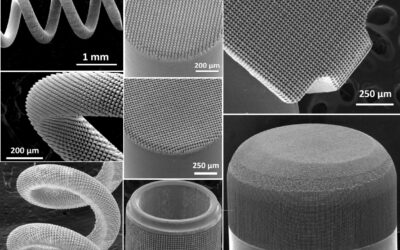
Pulse Technologies Announces Successful Biocompatibility Results For Novel HSR™ Platinum-Iridium Electrode Surface Treatment Technology
Biocompatibility studies were conducted by an independent, certified lab based in the US in accordance with FDA and ISO standards.
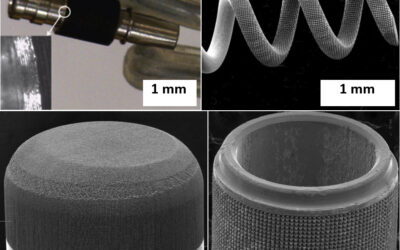
Surface Treatment Technology Using Ultrashort Pulse Lasers Could Help Treat Heart Failure
Hierarchical Surface Restructuring technology can be used to enhance charge storage capacity, increase specific capacitance, & decrease impedance of electrodes & microelectrodes.
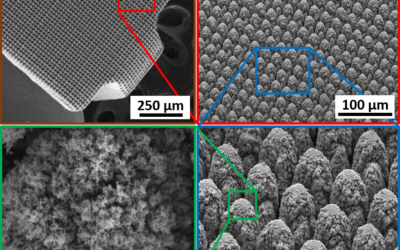
Pulse Technologies’ Electrode Surface Treatment Chosen for Cardiac Device
Pulse Technologies’ HSR™ electrode surface treatment is now part of Cardionomic’s Cardiac Pulmonary Nerve Stimulation (CPNS) System for treating heart failure.
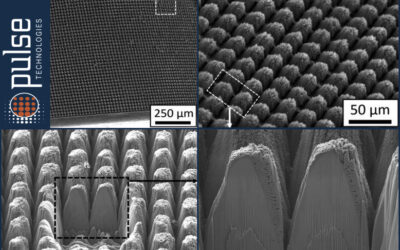
Hierarchically Restructured Titanium Electrodes: A Novel, Low-Cost, High-Performing Platform for Leadless Pacemakers
Pulse’s hierarchical titanium surface restructuring is well-suited for enhancing titanium electrodes of leadless pacemakers.
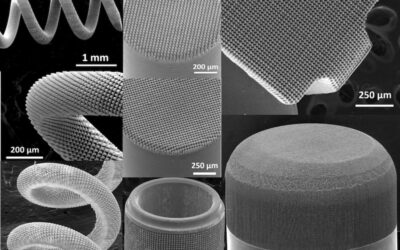
How Pulse’s Newly Patented Hierarchical Surface Restructuring (HSR™) Technology Improves Electrode Performance in Implantable and Diagnostic Medical Devices
This blog post outlines how Pulse’s patented HSR™ technology can enhance the electrochemical performance of electrodes and microelectrode arrays via enhancements in their surface topology and surface characteristics.

Video Explains the Benefits of Hierarchical Surface Restructuring
This video, Hierarchical Surface Restructuring for Electrodes And Microelectrode Arrays, will introduce you to a unique technology that uses lasers to rearrange the molecular surface of electrode materials and promises to enhance the performance of next-generation sensing, recording and stimulating devices.

Pulse Technologies, Inc.
2000 AM Drive, Quakertown, PA 18951
 P: 267-733-0200
F: 267-733-0201


Contract Manufacturing
Advanced Technology
Capabilities
About Us



© 2026 Pulse Technologies, Inc. All rights reserved.