 Careers
 Contact
Antibacterial Metal Oxide Coatings
Add Antimicrobial Protection to Implantable Surfaces
Infection risk remains an important consideration in the design of implantable medical devices.
When bacteria attach to device surfaces and biofilms begin to form, device performance and patient safety can be compromised.
Pulse Technologies provides antibacterial metal oxide coatings—thin-film surface technologies such as zinc oxide (ZnO) and copper oxide (CuO)—that introduce antimicrobial functionality to implantable components.

Surface Protection.
Antimicrobial Functionality.
Added Design Value.
By leveraging the intrinsic antibacterial properties of metal oxides such as zinc oxide (ZnO) and copper oxide (CuO), these thin-film coatings help inhibit bacterial attachment and reduce biofilm formation at implantable device surfaces.
For OEM teams, this means:
Antimicrobial surface functionality that helps reduce bacterial attachment at the device interface.
Thin-film coating options that introduce antibacterial protection without altering the core function of the device.
A practical surface engineering approach for implantable applications where infection control is an important design consideration.
Applying antibacterial metal oxide coatings to implantable components can support infection-control objectives while preserving the underlying functional properties of the device.
This additional surface functionality can help reduce infection risk during long-term device use.
Protective Surface Technology for Implantable Devices
As part of an implantable surface engineering strategy, antibacterial metal oxide coatings can provide an additional layer of protection when biocompatibility, reliability, and infection control are critical design considerations.
For OEM partners focused on long-term device performance, managing the device–tissue interface is essential.
Antibacterial metal oxide coatings provide a surface-based approach to help reduce infection risk while maintaining the functional performance of the implantable device.
Ready to explore how antibacterial coatings could help protect performance in your next device design?
Recent News & Blogs on HSR™

Femtosecond laser hierarchical surface restructuring for next generation neural interfacing electrodes and microelectrode arrays
Shahram Amini, Wesley Seche, Nicholas May, Hongbin Choi, Pouya Tavousi & Sina Shahbazmohamadi Long-term implantable neural interfacing devices are able to diagnose, monitor, and treat many cardiac, neurological, retinal and hearing disorders through nerve...
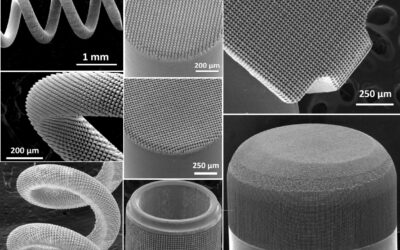
Pulse Technologies Announces Successful Biocompatibility Results For Novel HSR™ Platinum-Iridium Electrode Surface Treatment Technology
Biocompatibility studies were conducted by an independent, certified lab based in the US in accordance with FDA and ISO standards.
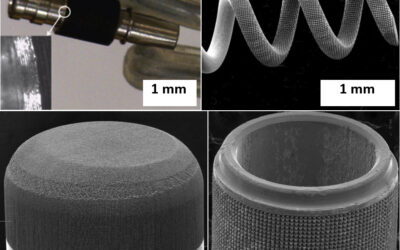
Surface Treatment Technology Using Ultrashort Pulse Lasers Could Help Treat Heart Failure
Hierarchical Surface Restructuring technology can be used to enhance charge storage capacity, increase specific capacitance, & decrease impedance of electrodes & microelectrodes.
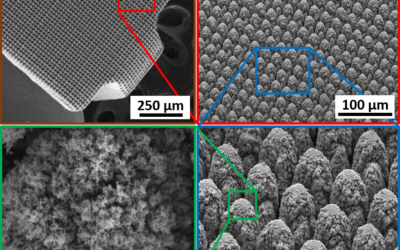
Pulse Technologies’ Electrode Surface Treatment Chosen for Cardiac Device
Pulse Technologies’ HSR™ electrode surface treatment is now part of Cardionomic’s Cardiac Pulmonary Nerve Stimulation (CPNS) System for treating heart failure.
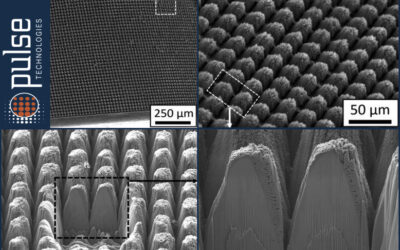
Hierarchically Restructured Titanium Electrodes: A Novel, Low-Cost, High-Performing Platform for Leadless Pacemakers
Pulse’s hierarchical titanium surface restructuring is well-suited for enhancing titanium electrodes of leadless pacemakers.
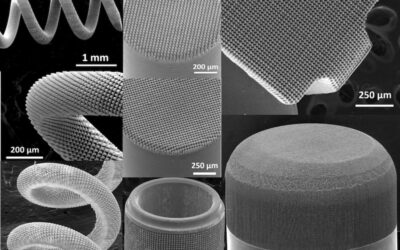
How Pulse’s Newly Patented Hierarchical Surface Restructuring (HSR™) Technology Improves Electrode Performance in Implantable and Diagnostic Medical Devices
This blog post outlines how Pulse’s patented HSR™ technology can enhance the electrochemical performance of electrodes and microelectrode arrays via enhancements in their surface topology and surface characteristics.

Video Explains the Benefits of Hierarchical Surface Restructuring
This video, Hierarchical Surface Restructuring for Electrodes And Microelectrode Arrays, will introduce you to a unique technology that uses lasers to rearrange the molecular surface of electrode materials and promises to enhance the performance of next-generation sensing, recording and stimulating devices.

Pulse Technologies, Inc.
2000 AM Drive, Quakertown, PA 18951
 P: 267-733-0200
F: 267-733-0201


Contract Manufacturing
Advanced Technology
Capabilities
About Us



© 2026 Pulse Technologies, Inc. All rights reserved.