 Careers
 Contact
Reactive-Hierarchical Surface Restructuring
R-HSR™
Titanium, Transformed
Powering the Next Leap in Implantable Electrodes
Ultrashort-pulse-laser-driven reactive restructuring of low-cost titanium forms electrochemically active titanium nitride (TiN) in situ while creating a hierarchical surface architecture. No secondary coatings. No platinum group metals (PGMs).
As implantable neurostimulation and cardiac rhythm management electrodes continue to miniaturize and adopt more complex geometries, electrochemical performance often declines. Impedance increases, charge injection capacity decreases, and conventional coatings—while sometimes beneficial—can introduce additional potential failure modes, and long-term durability concerns.
The challenge is clear: deliver higher performance within a smaller geometric footprint, without relying on platinum group metals (PGMs), which are costly, and supply-constrained.
Meet R-HSR™: A Smarter Surface for Low-Cost High-Performance Titanium Electrodes
R-HSR™ is a laser-based surface engineering technology that transforms titanium electrodes by restructuring their surface architecture across nano, micro, and macro scales.
The process combines laser restructuring, reactive synthesis, and in situ laser nitriding in a single, scalable process to form stable titanium nitride (TiN) on the surface of the electrode—without compromising the bulk composition of the titanium electrode.
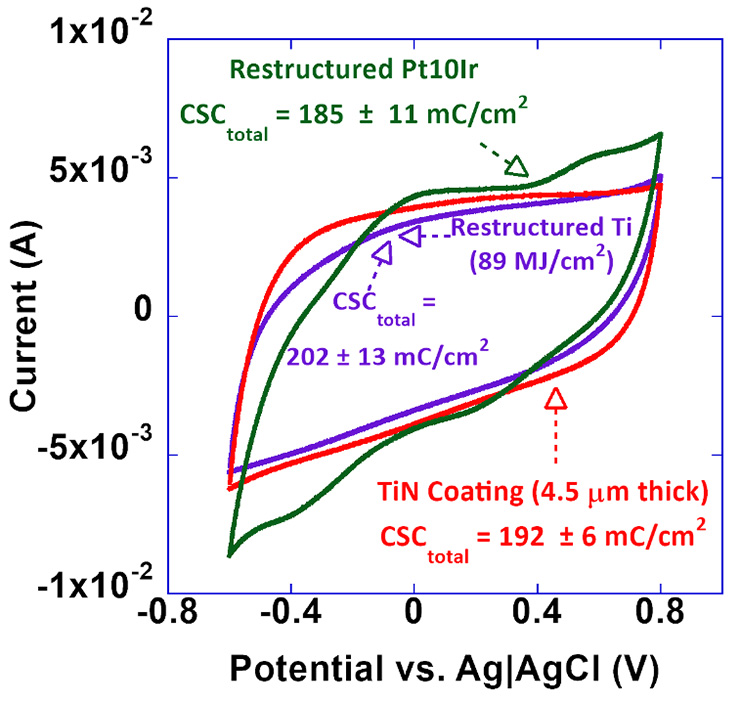
The result is a high-performing, sustainable titanium electrode that matches or exceeds the electrochemical performance of Pt10Ir—without the PGM price tag.
How It Works: Laser Precision, Layered Performance
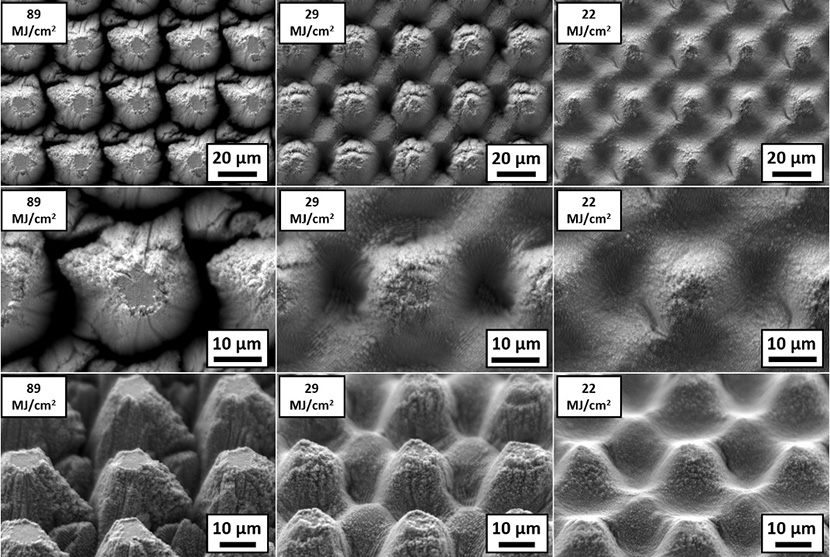
Using ultrashort-pulse lasers in a reactive nitrogen environment, R-HSR™ removes the native oxide layer on titanium and initiates an in situ reactive restructuring process.
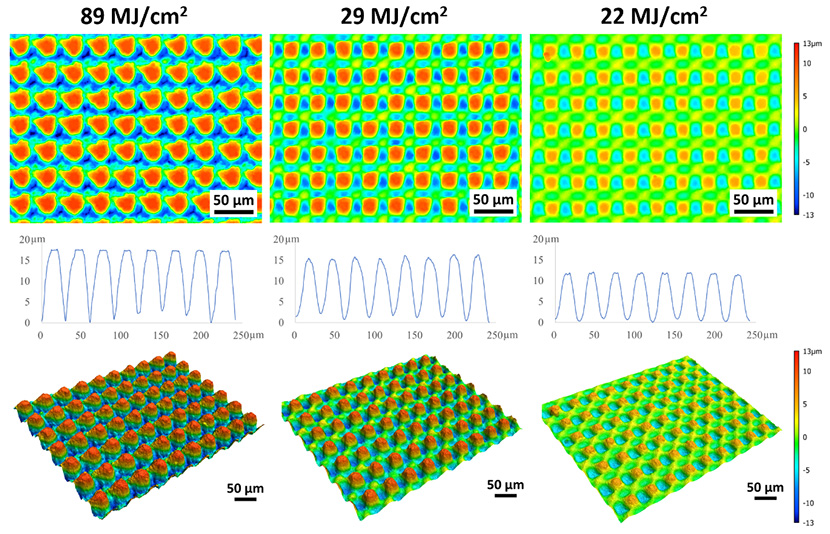
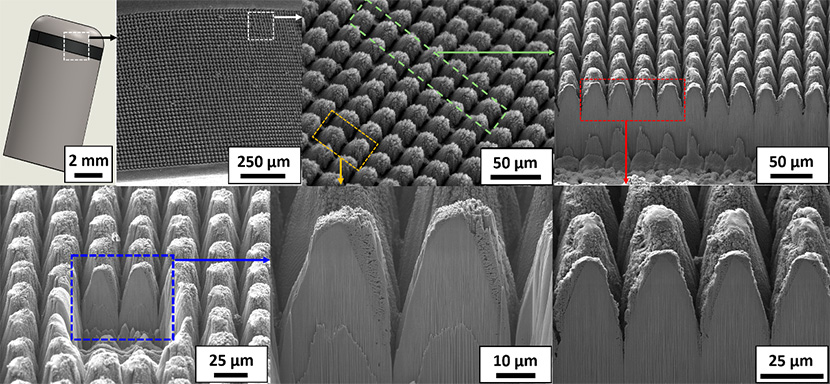
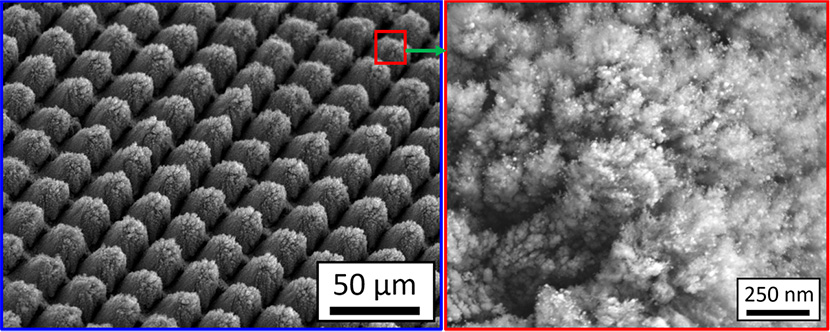
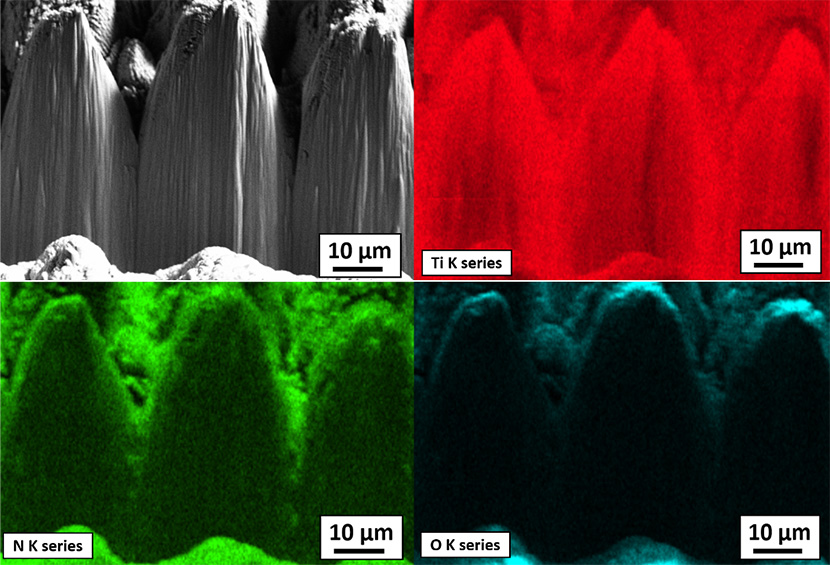
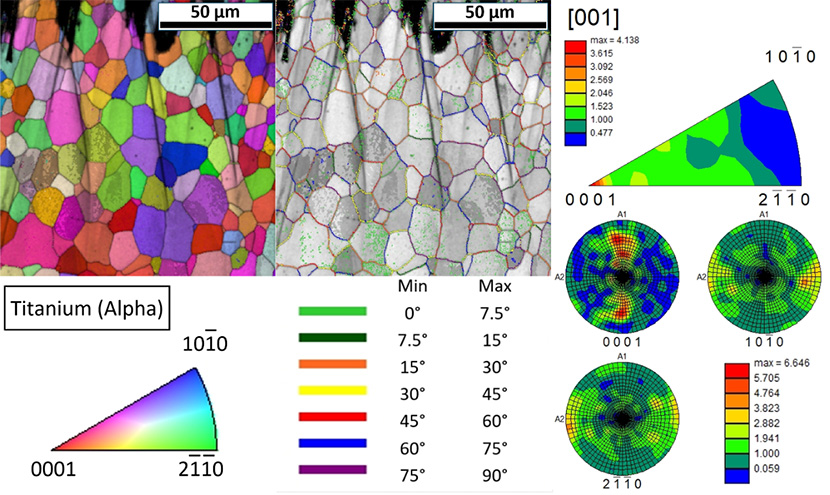
This produces a hierarchical surface architecture composed of nanoscale, microscale, and macroscale features, deliberately engineered to enhance electrochemical performance.
Simultaneously, titanium nitride (TiN) is formed in situ on and within the restructured surface, increasing electrochemical surface area, drastically limiting formation of insulating TiO₂, and improving charge transfer efficiency at the electrode–electrolyte interface.
Performance You Can Trust
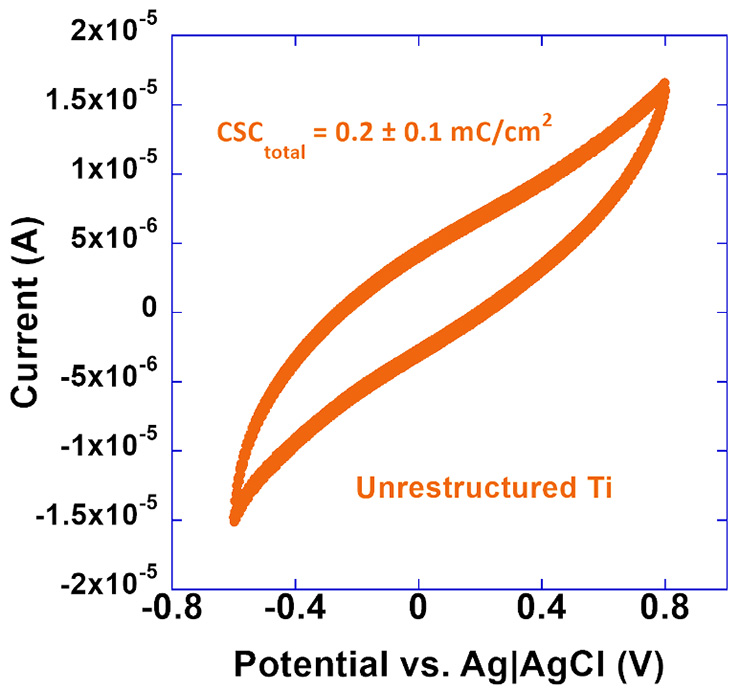
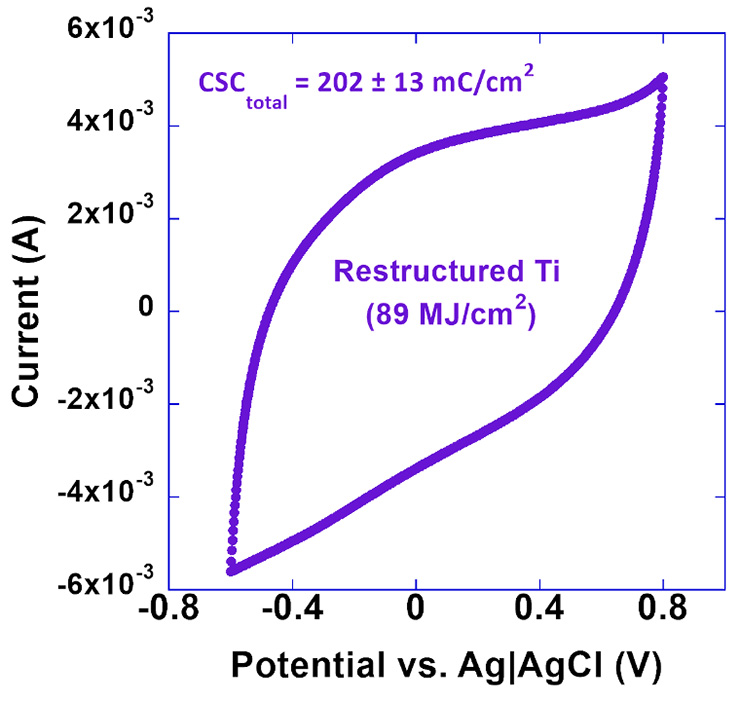
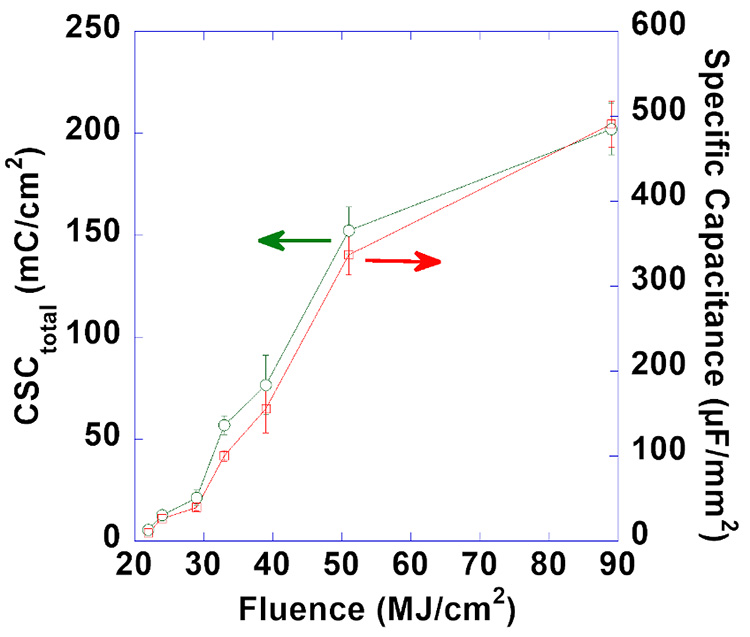
Increasing charge storage capacity
from 0.2 ± 0.1 for titanium to over 200 mC/cm² in reactively restructured titanium electrodes.
Quantified Gains, Real-World Impact
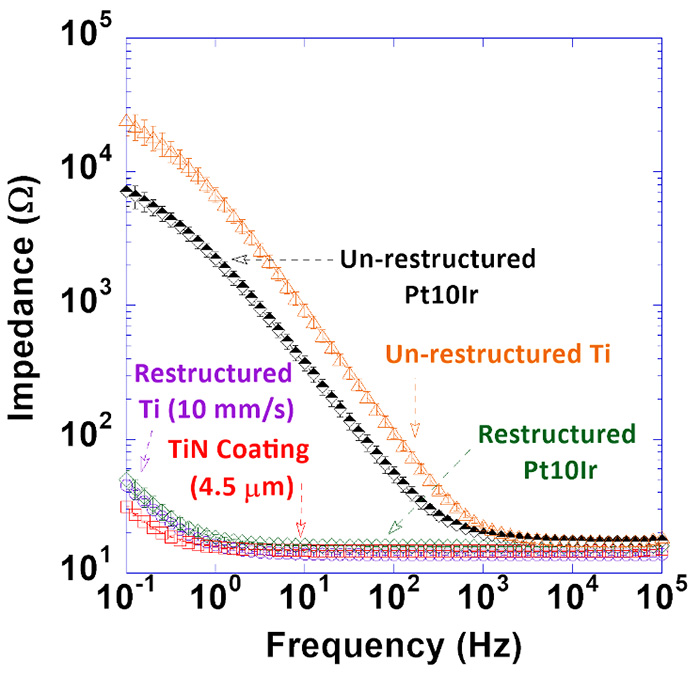
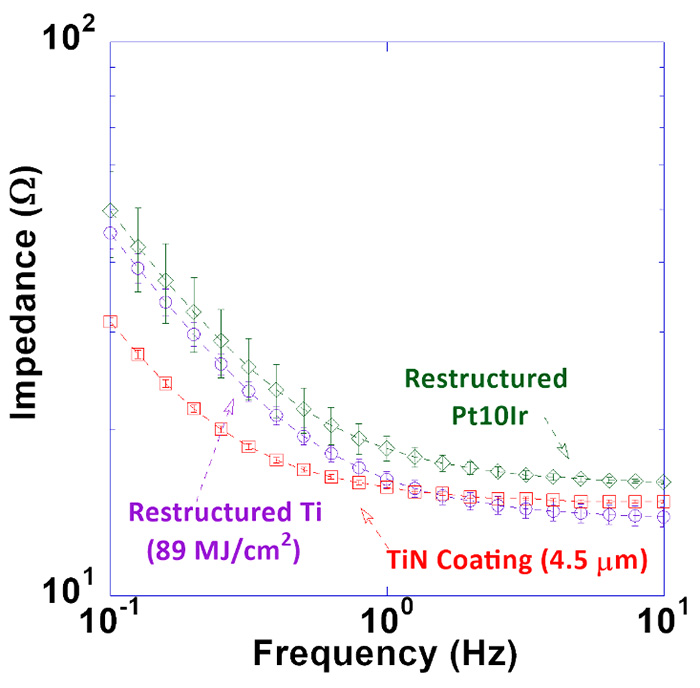
Reducing impedance
at 1 Hz by more than 400-fold.
These enhancements directly impact stimulation efficiency, sensing fidelity, and long-term durability—especially in miniaturized, high-density electrode arrays.
Enabling precise control
of performance characteristics with electrochemical properties that are tunable via various laser parameters.
Supporting higher electrode density
with improved selectivity and specificity in electrode array configurations.
Biocompatibility and Durability
Built to Last, Engineered to Perform
R-HSR™-treated titanium electrodes have passed cytotoxicity, skin irritation, and sensitization testing in accordance with ISO 10993 standards. By modifying the electrode surface itself rather than applying secondary coatings, R-HSR™ eliminates delamination risks and improves durability under long-term stimulation.
Why It Matters:
Built to Last, Designed to Deliver
PGMs have long been the default for implantable neural interfacing electrodes, but their cost, scarcity, and environmental impact are unsustainable.
R-HSR™ offers a viable alternative, enabling next-generation device performance while reducing dependence on critical raw materials.
Solving the PGM Challenge. Engineering the Future.
As part of Pulse’s extensible surface engineering platform, R-HSR™ lays the foundation for future innovations in sustainable, high-performance electrode design.

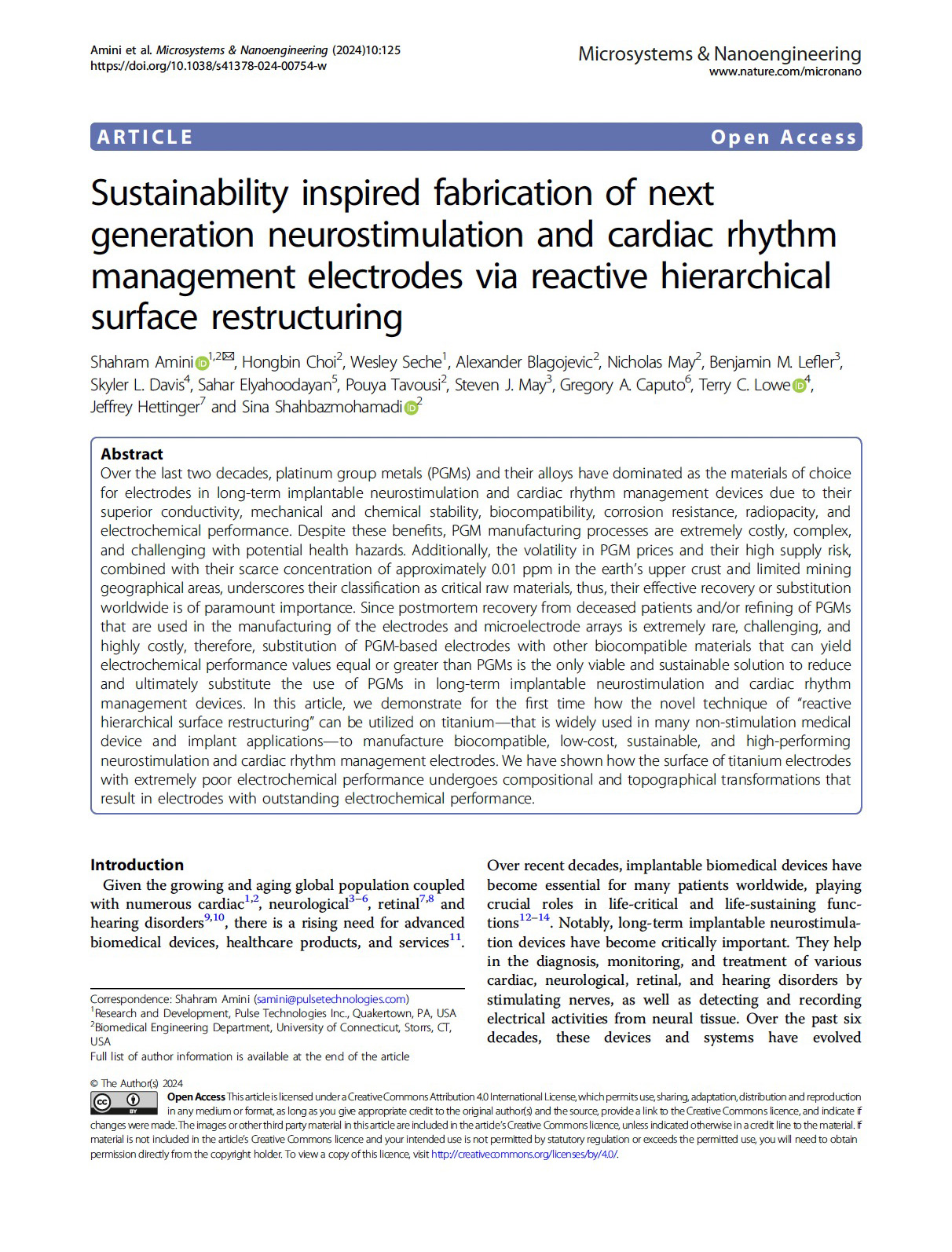
Sustainability inspired fabrication of next generation neurostimulation and cardiac rhythm management electrodes
via reactive hierarchical surface restructuring
Sustainability Inspired Fabrication
Supplementary information
Ready to explore R-HSR™ for your next-generation neurostimulation or cardiac rhythm management platform?
Recent News & Blogs on HSR™

Femtosecond laser hierarchical surface restructuring for next generation neural interfacing electrodes and microelectrode arrays
Shahram Amini, Wesley Seche, Nicholas May, Hongbin Choi, Pouya Tavousi & Sina Shahbazmohamadi Long-term implantable neural interfacing devices are able to diagnose, monitor, and treat many cardiac, neurological, retinal and hearing disorders through nerve...
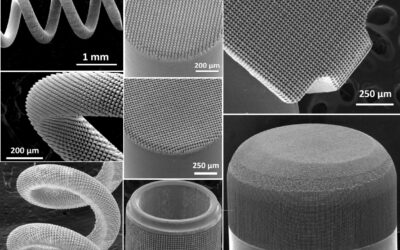
Pulse Technologies Announces Successful Biocompatibility Results For Novel HSR™ Platinum-Iridium Electrode Surface Treatment Technology
Biocompatibility studies were conducted by an independent, certified lab based in the US in accordance with FDA and ISO standards.
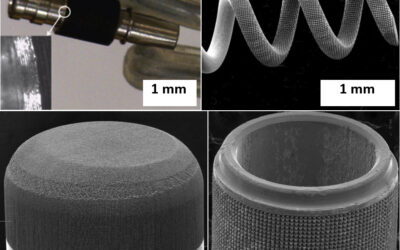
Surface Treatment Technology Using Ultrashort Pulse Lasers Could Help Treat Heart Failure
Hierarchical Surface Restructuring technology can be used to enhance charge storage capacity, increase specific capacitance, & decrease impedance of electrodes & microelectrodes.
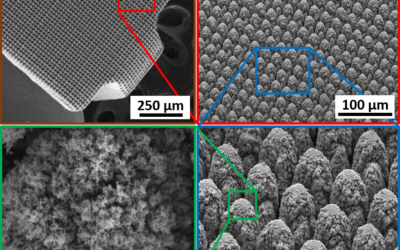
Pulse Technologies’ Electrode Surface Treatment Chosen for Cardiac Device
Pulse Technologies’ HSR™ electrode surface treatment is now part of Cardionomic’s Cardiac Pulmonary Nerve Stimulation (CPNS) System for treating heart failure.
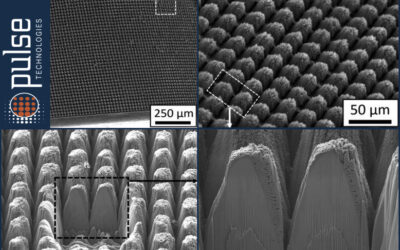
Hierarchically Restructured Titanium Electrodes: A Novel, Low-Cost, High-Performing Platform for Leadless Pacemakers
Pulse’s hierarchical titanium surface restructuring is well-suited for enhancing titanium electrodes of leadless pacemakers.
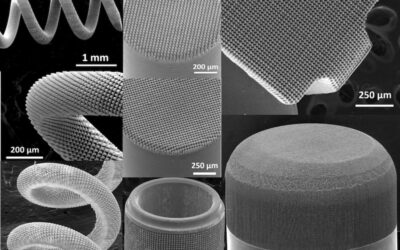
How Pulse’s Newly Patented Hierarchical Surface Restructuring (HSR™) Technology Improves Electrode Performance in Implantable and Diagnostic Medical Devices
This blog post outlines how Pulse’s patented HSR™ technology can enhance the electrochemical performance of electrodes and microelectrode arrays via enhancements in their surface topology and surface characteristics.

Video Explains the Benefits of Hierarchical Surface Restructuring
This video, Hierarchical Surface Restructuring for Electrodes And Microelectrode Arrays, will introduce you to a unique technology that uses lasers to rearrange the molecular surface of electrode materials and promises to enhance the performance of next-generation sensing, recording and stimulating devices.

Pulse Technologies, Inc.
2000 AM Drive, Quakertown, PA 18951
 P: 267-733-0200
F: 267-733-0201


Contract Manufacturing
Advanced Technology
Capabilities
About Us




© 2026 Pulse Technologies, Inc. All rights reserved.