 Careers
 Contact
Ultrathin-Hierarchical Surface Restructuring
Ultrathin-HSR™
Ultrathin-HSR™
Depth-Controlled Restructuring of Ultra-Thin (<25 µm) Neural Interfacing Electrodes for Peripheral and Central Nervous Systems
High-density neural interfacing systems—across both peripheral and central nervous system applications—often rely on ultra-thin (<25 µm) electrode contacts to enable miniaturization, conformability, and higher channel counts.
However, laser restructuring of ultrathin electrodes presents significant manufacturing and depth-control challenges due to the limited material thickness.
Ultrathin-HSR™ addresses these constraints by increasing electrochemically active surface area and enhancing key electrochemical metrics—including charge storage capacity (CSC), impedance, and specific capacitance—while preserving the structural integrity of ultrathin electrodes.
Introducing Ultrathin-HSR™
Precision Restructuring for Ultra-Thin (<25 µm) Pt10Ir Contacts
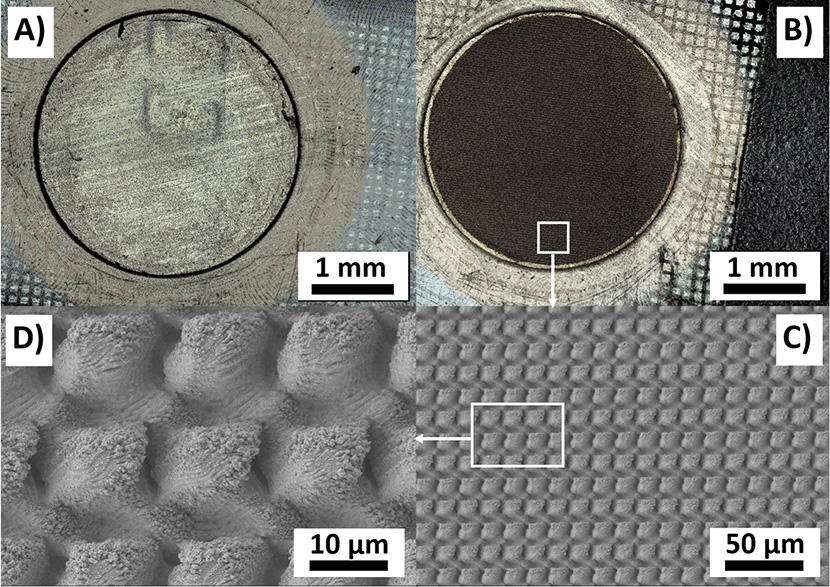
Meet Ultrathin-HSR™, a femtosecond-laser hierarchical surface restructuring process applied to ultra-thin (<25 µm) Pt10Ir contacts.
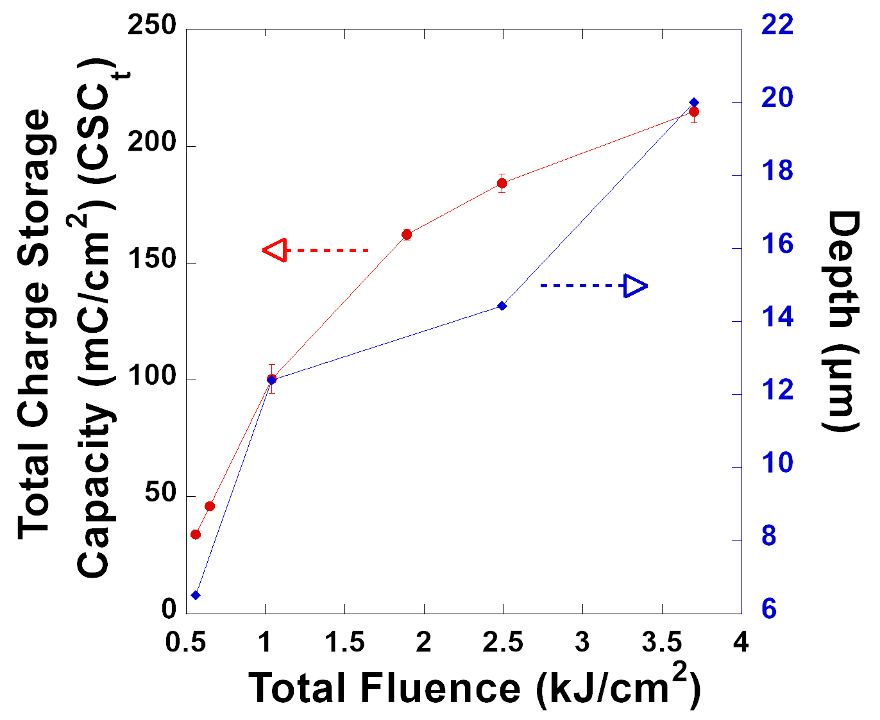
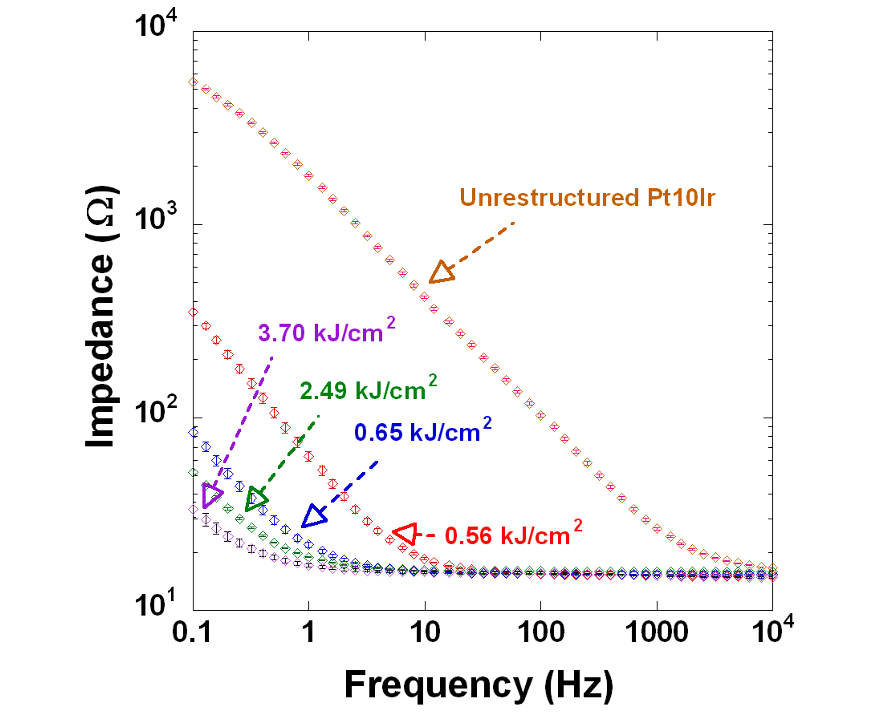
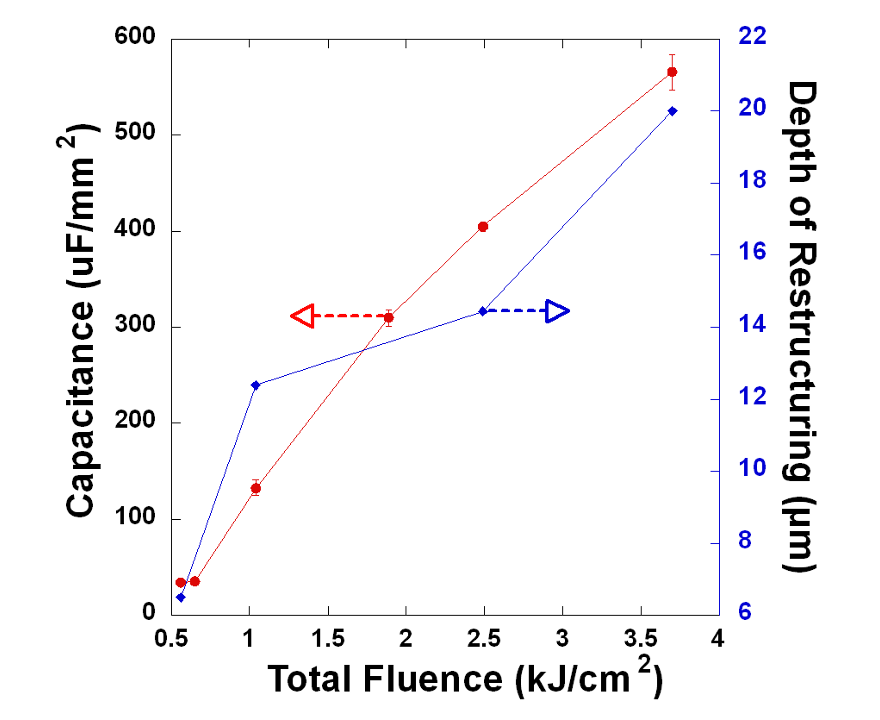
By precisely controlling restructuring depth relative to electrode thickness, Ultrathin-HSR™ improves electrochemical performance (such as charge storage capacity, impedance, and specific capacitance) by up to two orders of magnitude within a controlled processing window.
how does Ultrathin-HSR™ achieve that balance?
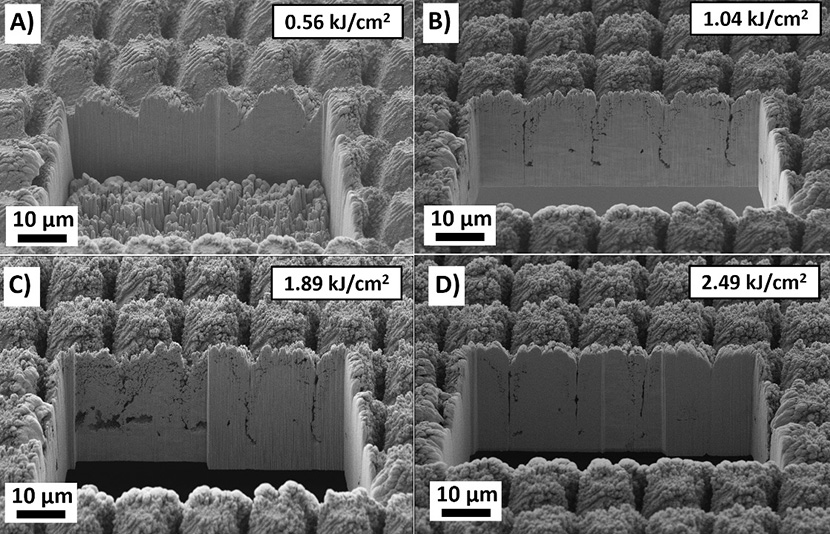
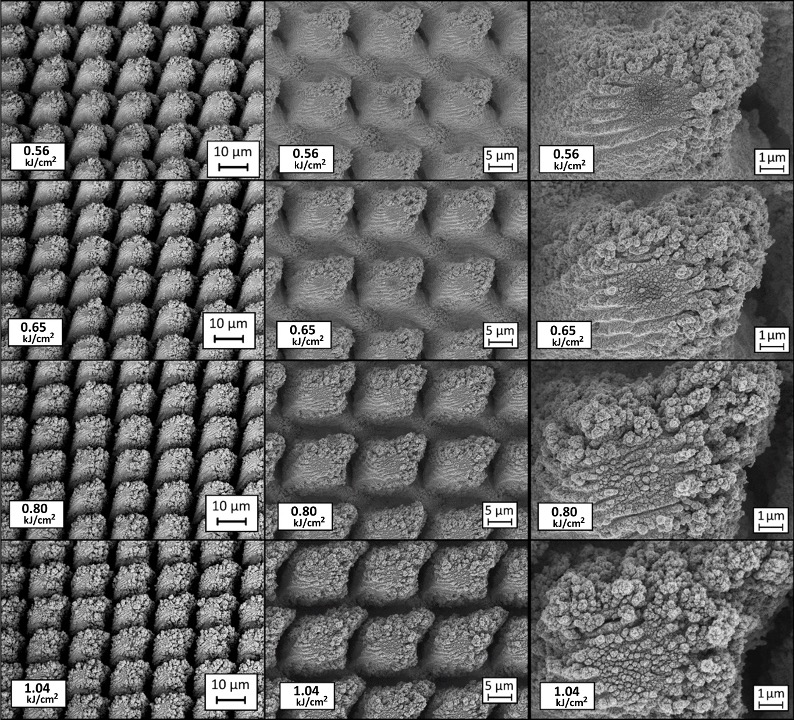
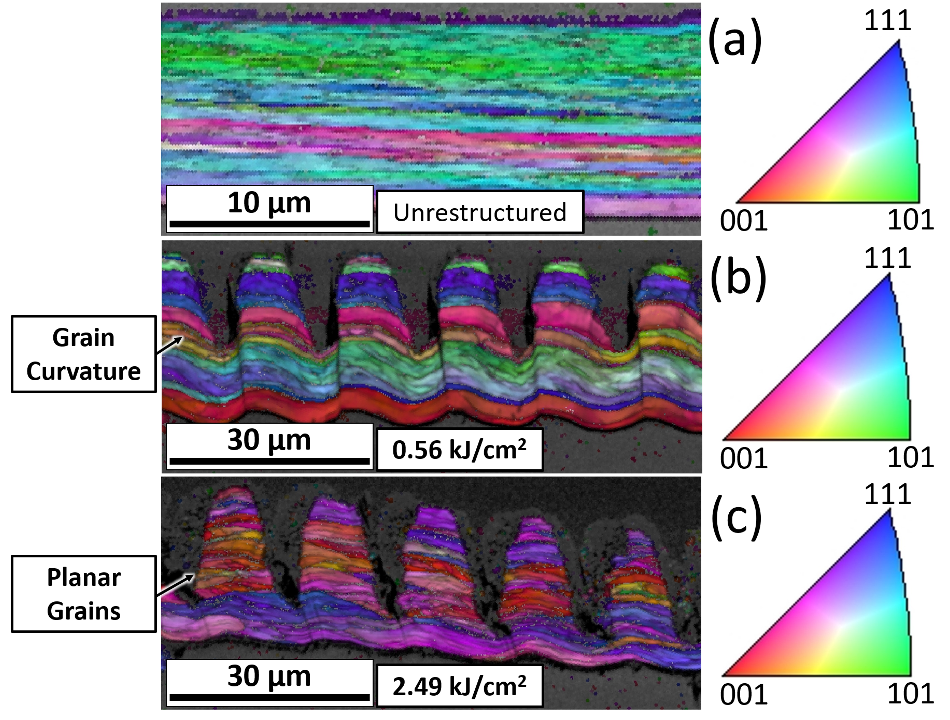
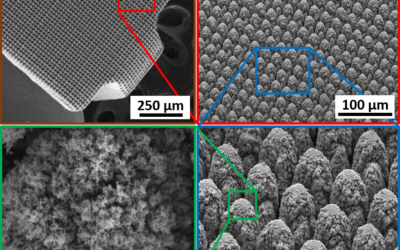
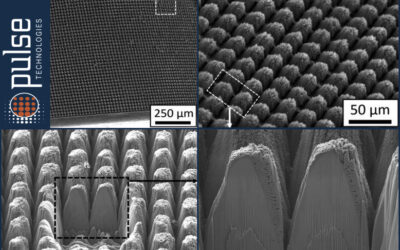
Femtosecond laser HSR™ is tuned through precise control of laser parameters to form multi-scale hierarchical surface features while controlling restructuring depth.
Depth control is critical because ultrathin electrodes have limited material thickness before structural integrity is compromised.
In this resulting architecture:
Micro-scale restructuring and nanoscale texture expands electrochemically active surface area for enhanced charge transfer.
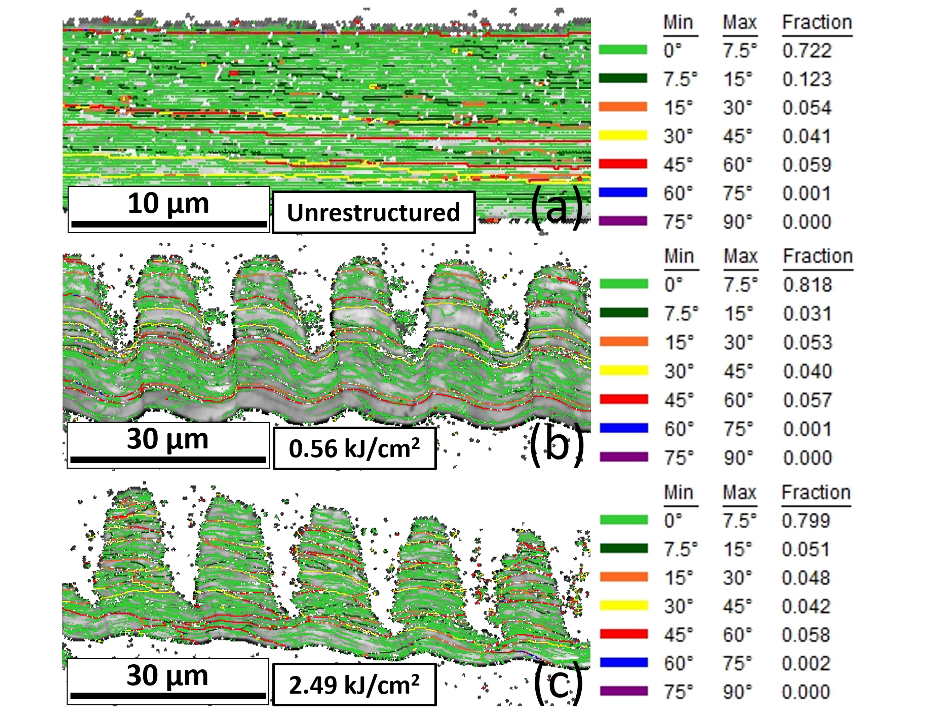
Cross-sectional characterization verifies restructuring depth to protect integrity.
This precision enables ultrathin flexibility without compromising mechanical or electrochemical stability.
Proven Ultrathin Performance Gains
Enabling Higher-Density Neural Interfacing Designs
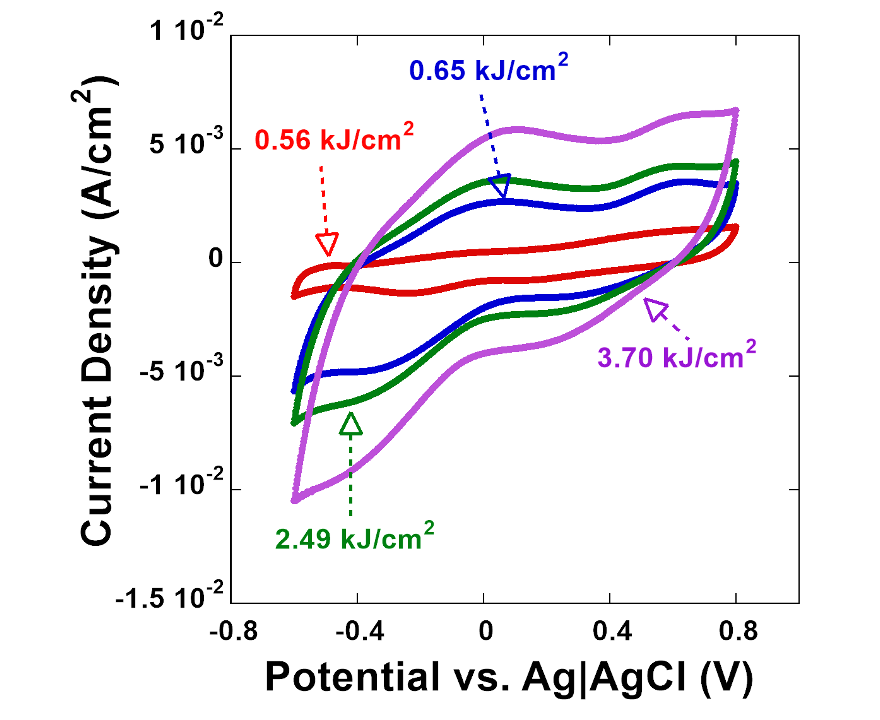
Electrochemical testing (CV and EIS) demonstrates dramatic performance gains:
Charge storage capacity (CSC) can increase by up to 80-90 folds in structurally viable conditions
Specific capacitance can improve by more than three orders of magnitude in the highest-performing structurally stable condition (>404 µF/mm²).
These gains support miniaturization and higher electrode density designs by improving electrochemical performance at ultrathin thicknesses, opening the door to next-generation implantable neural interfacing arrays.
Together, these results show that ultrathin performance and biocompatibility can coexist in next-generation neural interfaces.
That balance ultimately hinges on one more critical factor: structural and biological compatibility.
Engineered for Biocompatibility and Structural Stability
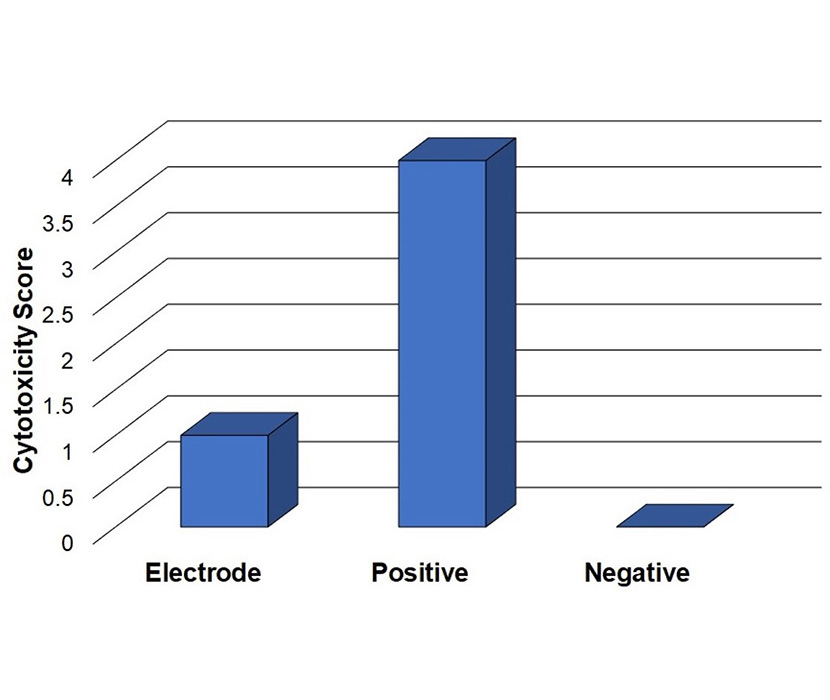
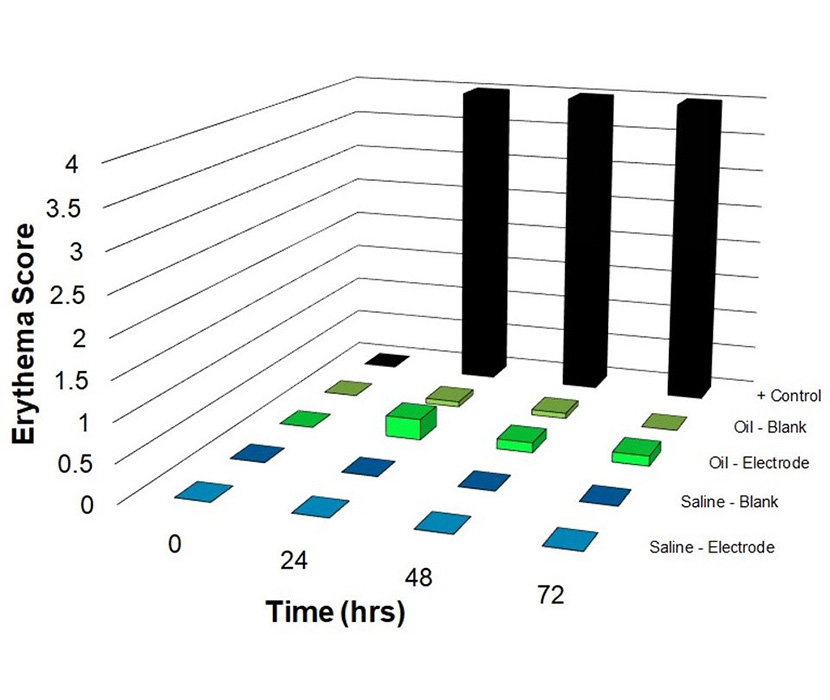
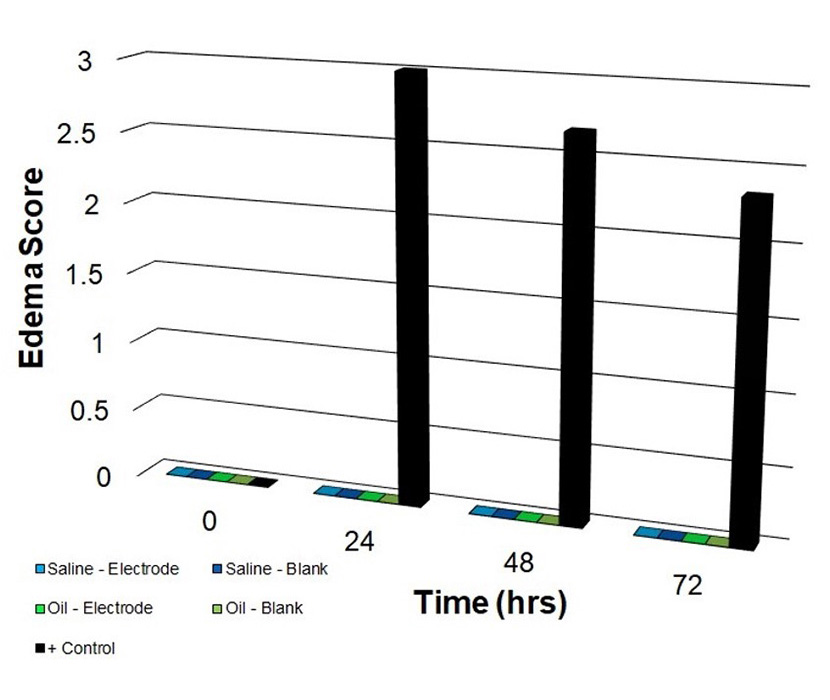
Biocompatibility testing demonstrated no cytotoxicity, sensitization, or irritation responses in standardized evaluations, consistent with ISO 10993–5 and related testing frameworks.
Because HSR™ is a semi-ablative process, depth control is essential to ultrathin viability. Our Ultrathin-HSR™ platform identifies a processing window that delivers large performance gains while maintaining structural integrity.
Together, these performance and biocompatibility results demonstrate Ultrathin-HSR™ is ready for manufacturing.
Power the Next Generation of Neural Interfaces
Ultrathin-HSR™ delivers scalable, in-line manufacturability for next-generation neural interfaces, enabling higher-density electrode array designs without performance trade-offs.
Ultrathin-HSR™:
Enables higher-density neural interfaces without sacrificing electrochemical performance.
Delivers controlled-depth restructuring for ultrathin Pt10Ir electrode contacts (<25 µm).
Provides a scalable in-line surface-engineering lever for both peripheral and central nervous system devices.
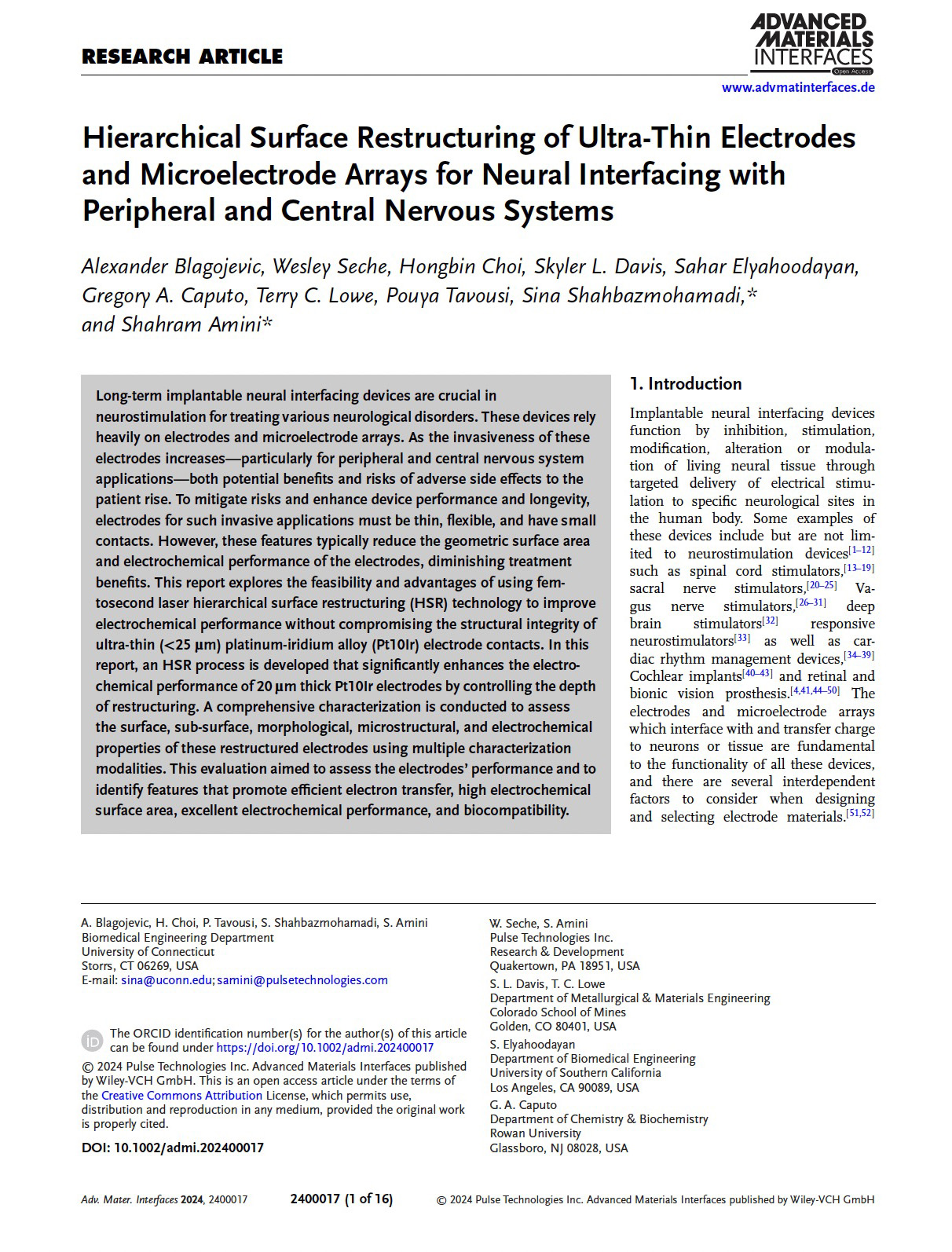
Hierarchical Surface Restructuring of Ultra-Thin Electrodes and Microelectrode Arrays
for Neural Interfacing with Peripheral and Central Nervous Systems
Hierarchical Surface Restructuring of Ultra-Thin Electrodes Supplementary Information
Ready to explore how Ultrathin-HSR™ can power your next neural interface breakthrough?
Recent News & Blogs on HSR™

Femtosecond laser hierarchical surface restructuring for next generation neural interfacing electrodes and microelectrode arrays
Shahram Amini, Wesley Seche, Nicholas May, Hongbin Choi, Pouya Tavousi & Sina Shahbazmohamadi Long-term implantable neural interfacing devices are able to diagnose, monitor, and treat many cardiac, neurological, retinal and hearing disorders through nerve...
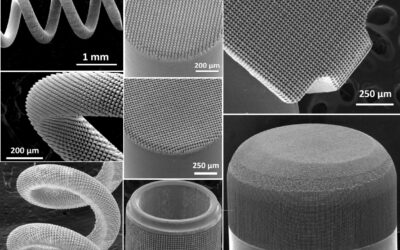
Pulse Technologies Announces Successful Biocompatibility Results For Novel HSR™ Platinum-Iridium Electrode Surface Treatment Technology
Biocompatibility studies were conducted by an independent, certified lab based in the US in accordance with FDA and ISO standards.
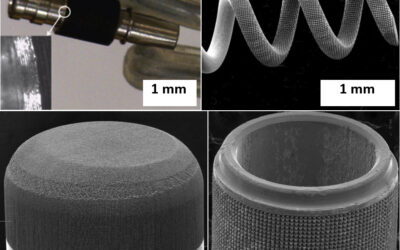
Surface Treatment Technology Using Ultrashort Pulse Lasers Could Help Treat Heart Failure
Hierarchical Surface Restructuring technology can be used to enhance charge storage capacity, increase specific capacitance, & decrease impedance of electrodes & microelectrodes.
Pulse Technologies’ Electrode Surface Treatment Chosen for Cardiac Device
Pulse Technologies’ HSR™ electrode surface treatment is now part of Cardionomic’s Cardiac Pulmonary Nerve Stimulation (CPNS) System for treating heart failure.
Hierarchically Restructured Titanium Electrodes: A Novel, Low-Cost, High-Performing Platform for Leadless Pacemakers
Pulse’s hierarchical titanium surface restructuring is well-suited for enhancing titanium electrodes of leadless pacemakers.
How Pulse’s Newly Patented Hierarchical Surface Restructuring (HSR™) Technology Improves Electrode Performance in Implantable and Diagnostic Medical Devices
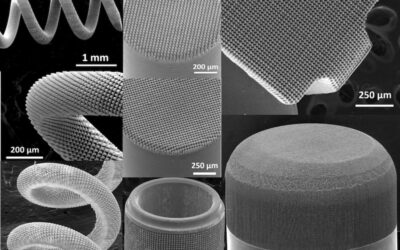
This blog post outlines how Pulse’s patented HSR™ technology can enhance the electrochemical performance of electrodes and microelectrode arrays via enhancements in their surface topology and surface characteristics.

Video Explains the Benefits of Hierarchical Surface Restructuring
This video, Hierarchical Surface Restructuring for Electrodes And Microelectrode Arrays, will introduce you to a unique technology that uses lasers to rearrange the molecular surface of electrode materials and promises to enhance the performance of next-generation sensing, recording and stimulating devices.

Pulse Technologies, Inc.
2000 AM Drive, Quakertown, PA 18951
 P: 267-733-0200
F: 267-733-0201


Contract Manufacturing
Advanced Technology
Capabilities
About Us



© 2026 Pulse Technologies, Inc. All rights reserved.